
What a health holiday is, and how to choose one
From a quiet spa weekend to a structured week with consultations: a calm guide to the many kinds of health holiday and how to read an offer.
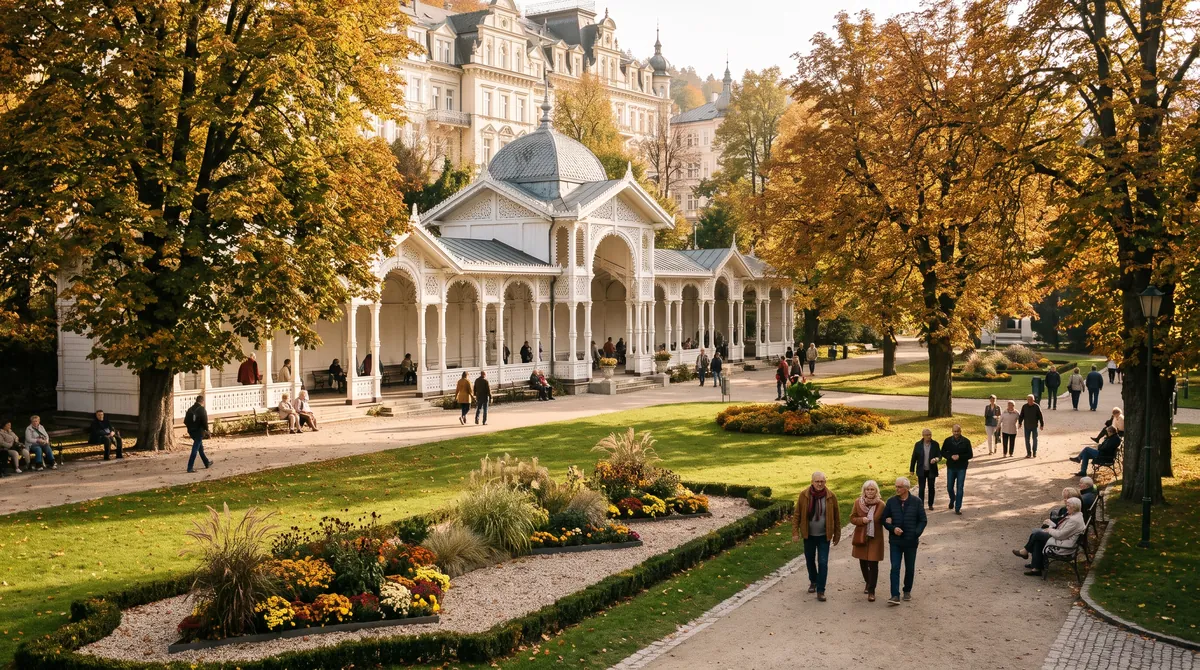
The phrase “health holiday” covers a surprisingly wide field. It can mean two quiet nights in a spa hotel with a pool and a good book, or a carefully planned week of movement, simple food and guided rest. It can also mean the long European tradition of the , where whole towns grew up around springs, parks and promenades. This guide sorts the field into its main shapes and offers a few calm questions to help you choose.
A wide field with many shapes
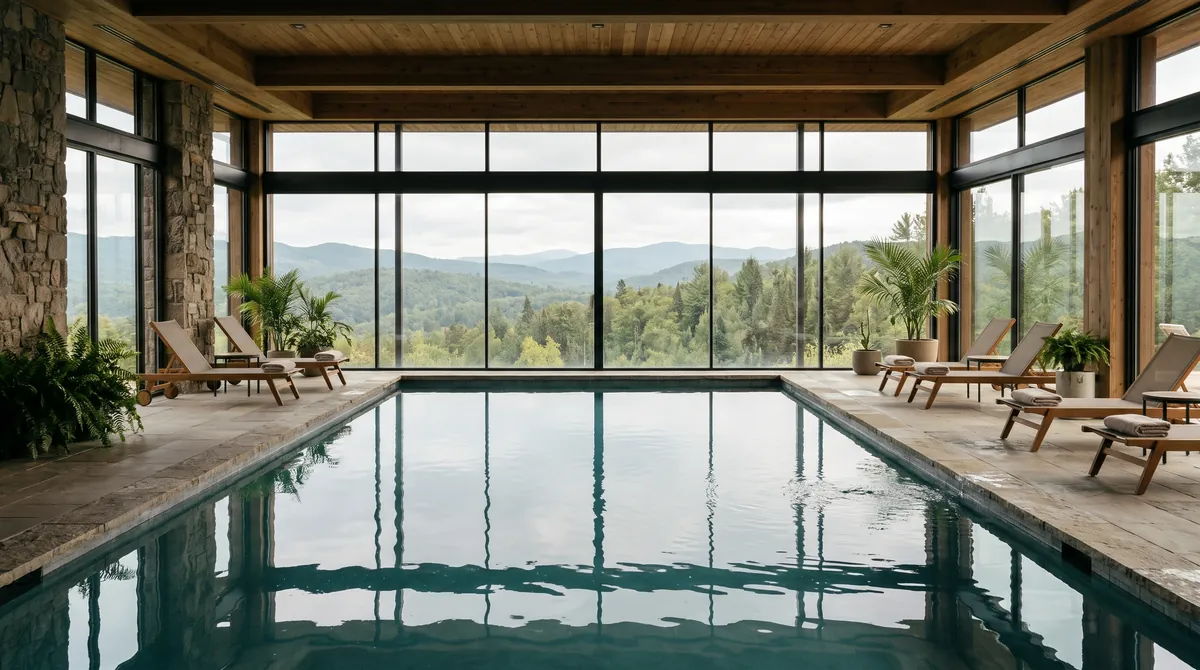
At the lightest end sits the wellness weekend. You check into a hotel with a spa, swim, take a sauna, perhaps book a massage, and otherwise let the days unfold. There is no programme to follow, which for many people is exactly the point.
One step further are active and retreat holidays with a daily rhythm: morning yoga or a guided walk, a long lunch, an afternoon of rest, perhaps a cooking workshop or a breathing session in the evening. They suit travellers who enjoy a gentle structure and the company of a small group.
Then there is , a term used mainly in German speaking countries for programmes that combine the comforts of a spa hotel with consultations from doctors or other qualified professionals. Finally there is the classic European spa stay, the Kur, rooted in towns that have welcomed guests to their springs and gardens for centuries. Each has its own pace, and none is better than the others. The right one is simply the one that matches what you are looking for.
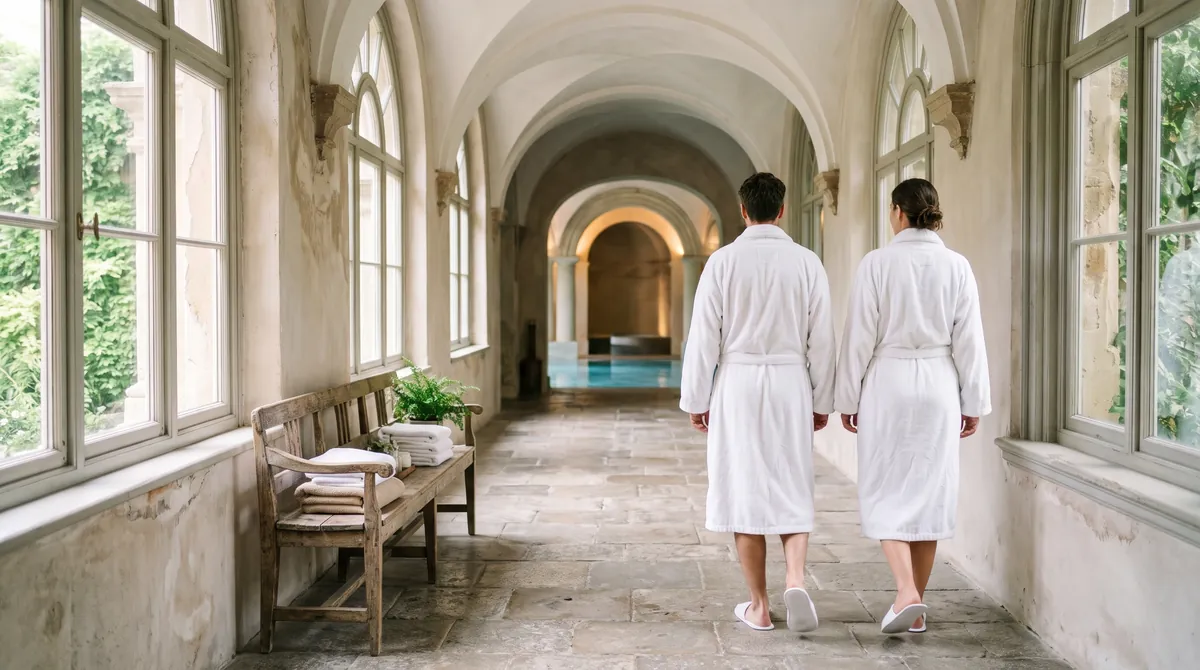
What a typical programme includes
Most structured programmes draw on the same handful of elements, mixed in different proportions. Reading the daily schedule tells you a great deal about the character of a place.
- Movement: walking, swimming, yoga, Pilates, cycling or gentle strength sessions, usually in small groups and often outdoors.
- Food: fresh, seasonal cooking, frequently lighter or vegetarian, sometimes with cooking classes.
- Relaxation: sauna, quiet rooms, breathing exercises, meditation and simply time without appointments.
- Water: pools, thermal baths, water treading and other bathing rituals from the European spa tradition.
- Consultations: conversations with qualified staff at the start and end of a stay, especially in medical wellness programmes.
Massages, wraps and baths add comfort and a pleasant sense of being looked after. Yet the unhurried rhythm of the day, with meals at set times and evenings free of obligations, is often what stays with guests longest.
How to judge an offer
A good programme is clear about what happens each day. Look for a sample schedule, information on group sizes and a description of who leads the sessions. Qualified staff, with training they are happy to tell you about, are a sign of a serious house.
Equally telling is the tone. Reputable places describe their programmes in terms of rest, movement, good food and comfort. They avoid sweeping promises and will gladly explain what a stay can and cannot offer. If a brochure sounds too good to be true, a few polite questions usually bring clarity.
Reputable places describe their programmes in terms of rest, movement, good food and comfort.
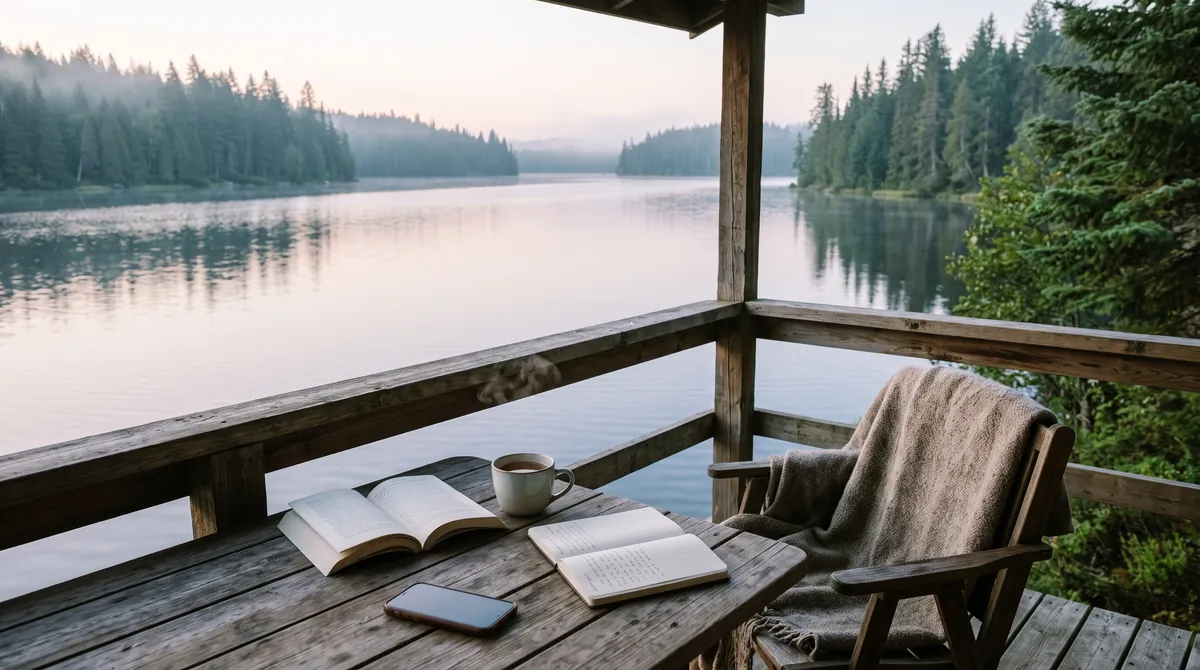
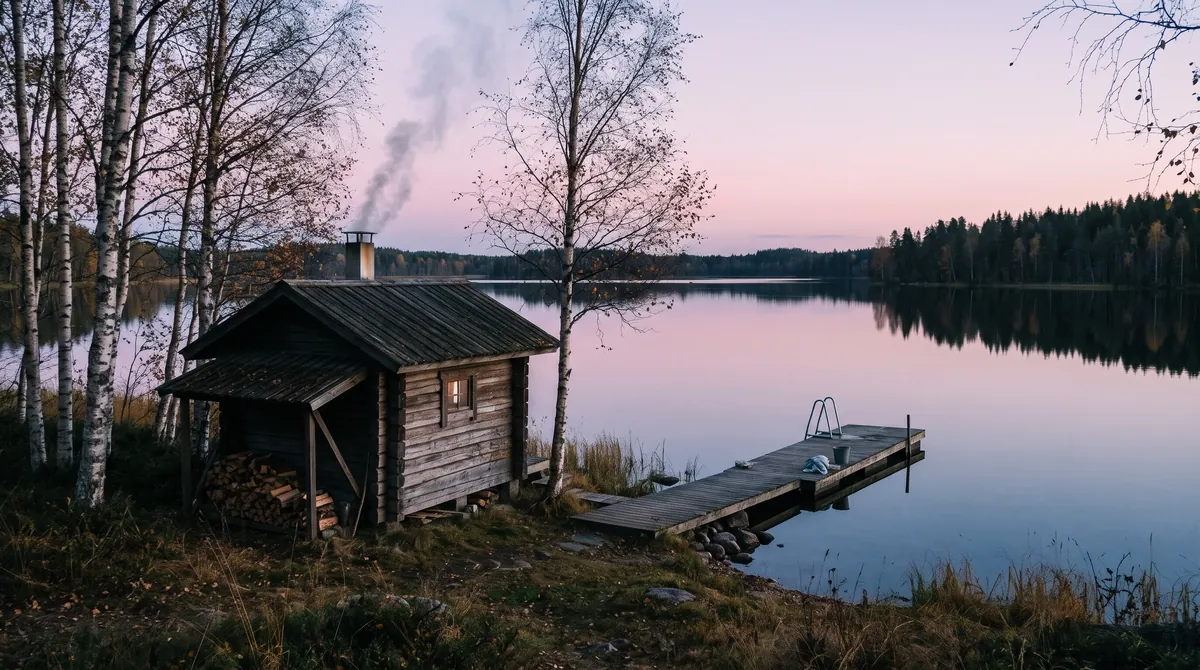
Setting matters too. A quiet location with access to nature, a garden or a park, comfortable rooms and space to withdraw when you need it will shape the experience as much as any treatment. Look at the surroundings on a map: a lake shore, a forest edge or a spa park within walking distance adds a great deal to free afternoons.
Questions worth asking before you book
A short email or phone call before booking saves surprises later. These questions work for almost any kind of health holiday:
- What does a typical day look like, and how much of it is optional?
- Who leads the sessions, and what training do they have?
- How large are the groups?
- Can the kitchen cater for preferences such as vegetarian or vegan cooking?
- Are consultations included, and who carries them out?
- How quiet is the house, and are there areas without screens or phones?
The answers, and the way they are given, tell you a lot. A friendly, detailed reply suggests a place that takes its guests seriously. Vague or hurried answers are a reason to keep looking.
How much time makes sense
A weekend is enough to slow down, sleep in and enjoy a spa. It is also a good way to test whether you like a particular style before committing to more. Arrive early on Friday if you can, so the first evening already feels like a holiday.
A week allows a real rhythm to form. By the third or fourth day the schedule no longer feels new, and this is often the point at which a stay begins to feel truly restful. Programmes with consultations and treatments are usually designed for at least this length.
The classic Kur traditionally lasts longer still, often several weeks, and grew from a time when travel itself was slow. Today many spa towns also welcome guests for shorter breaks, so you can enjoy the parks, concerts and thermal baths of a over a long weekend.
Whatever the length, leave a free day at home afterwards. Returning straight to a full diary can make a calm week feel far away very quickly, while a slow Sunday lets the holiday mood linger a little longer.
Words in this article
- Kur
- The traditional Central European spa stay, built around springs, rest, walks and a regular daily rhythm.
- Kurort
- A town officially recognised as a spa or climatic resort, typically with a spa park and promenades.
- Medical wellness
- Programmes that combine spa comforts with consultations by doctors or other qualified professionals.
- Kneipp
- Water traditions named after the 19th century priest Sebastian Kneipp, such as wading through cool water in a shallow basin.
Questions readers ask
Is a health holiday the same as a spa holiday?
Not quite. A spa holiday is one kind of health holiday, usually centred on pools, saunas and treatments with little structure. The broader term also includes active and retreat weeks with a daily programme, medical wellness stays with consultations and the classic Central European Kur in a recognised spa town. What they share is the wish to travel more slowly and come home rested.
Do you need to be very fit to join a programme?
No. Good programmes are designed for a range of abilities and explain the level of each session in advance. Walking groups often offer a shorter and a longer route, and yoga or movement classes can usually be adapted. If you are unsure, ask the house before booking, and if the programme has medical elements, talk to your own doctor first.
Is a health holiday a good idea for solo travellers?
Very much so. Many programmes are built around small groups, shared meals and guided sessions, which makes it easy to feel part of things without any effort. At the same time, quiet rooms and free afternoons leave plenty of space for time alone. Ask whether single rooms are available and how many guests usually travel on their own.