
Three days offline: planning a digital detox weekend
A weekend with the phone switched off is easier than it sounds. A little preparation, the right place and a gentle plan turn three offline days into a pleasure.
Switching off for a whole weekend sounds simple until Friday comes and the phone is still in your hand. The secret of a good is not willpower but preparation: a few small arrangements before you leave, a place where being offline feels natural, and enough pleasant things to fill the time. Done well, three days without screens feel less like giving something up and more like a short, generous holiday.
Before you go: let people know
Most of the worry about being unreachable disappears once people know. A few days before you leave, tell family, friends and colleagues that you will be offline from Friday evening to Sunday night. Most will find it a lovely idea, and some may be a little envious.
Set an on your email that says when you will be back and, if needed, who to contact in the meantime. Do the same for messaging apps if they allow it. Then give one or two close people the phone number of your accommodation, so they can reach you in a real emergency. Knowing that this safety net exists makes it much easier to switch off with a clear head.
Offline maps, paper tickets and a simple camera
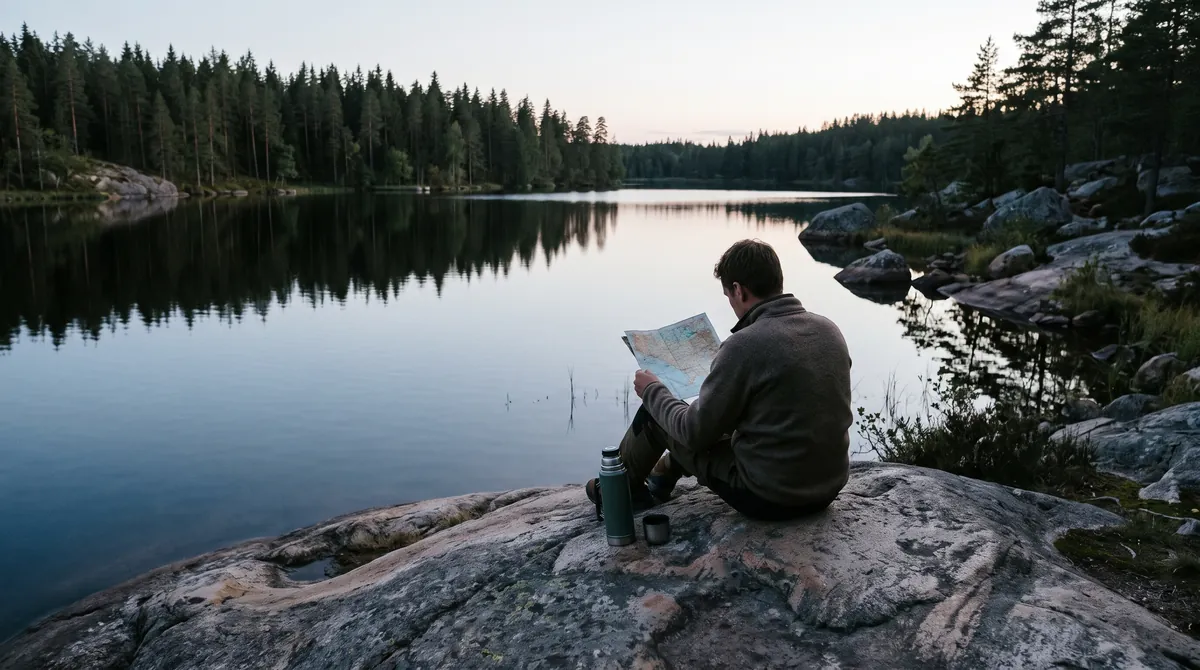
The phone does many useful jobs on a trip, so plan small replacements in advance. None of them is complicated, and several bring their own quiet pleasure.
If you prefer to keep the phone for emergencies, switch it off completely and put it at the bottom of your bag, or hand it to the reception desk on arrival. Out of sight really does mean out of mind.
Choosing a place where it is easy
Location makes all the difference. In a busy city with endless choices, the temptation to check opening times or look up the next café never stops. In a quiet place with a few clear things to do, the phone simply loses its purpose.
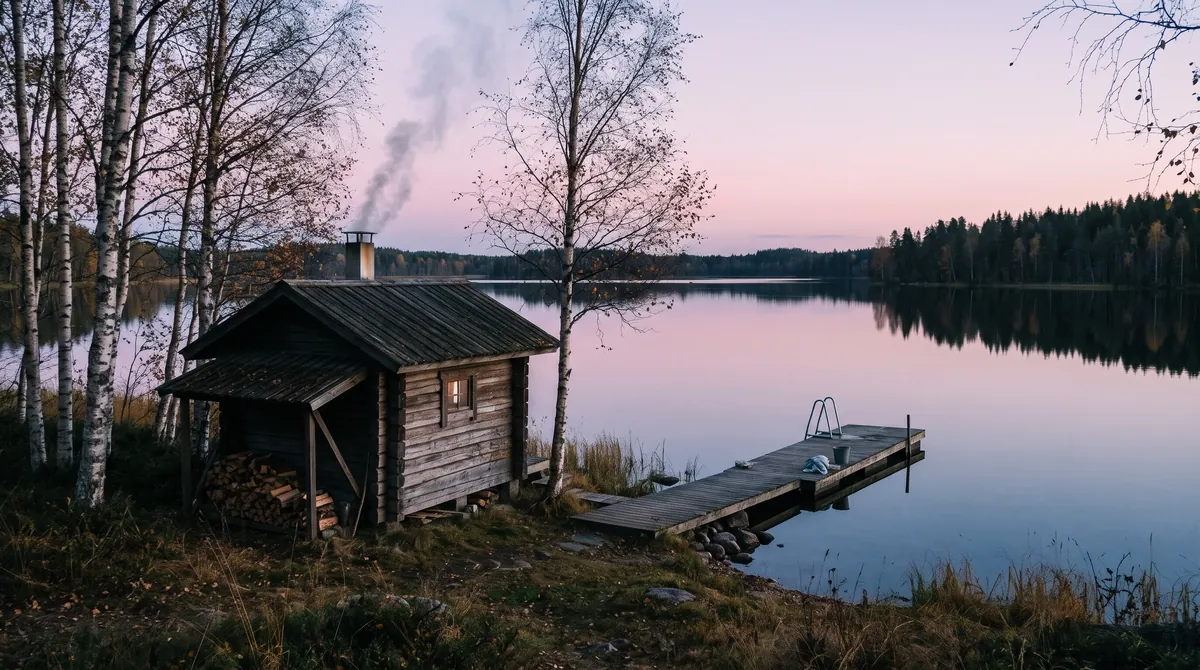
- A cabin in the woods or the hills, ideally with a wood stove, a view and a footpath starting at the door.
- A small island, where ferries set the rhythm and the sea fills every view.
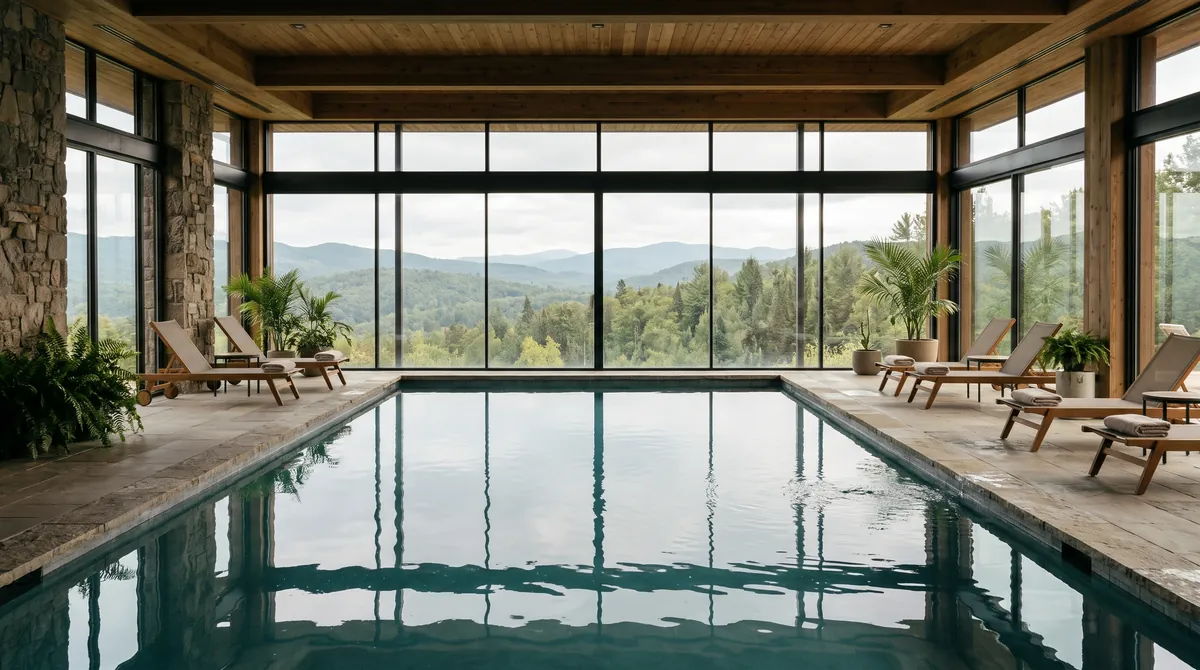
- A forest hotel, with walking trails, a sauna and a library instead of a television.
- A monastery guest house, where quiet is part of daily life and meals are taken at fixed times.
Scandinavia has words for the spirit of such places. The Norwegian idea of , open-air living, and the Danish love of , cosy togetherness by candlelight, both describe a way of spending time that needs no screen at all.
Distance matters less than you might think. A place two or three hours away by train is ideal, because the journey itself becomes part of the slowing down. Choose a season you love: late spring for long light evenings, autumn for misty forest walks and wood smoke, winter for a warm stove and a pile of books.
What to do instead
The first hours offline can feel oddly empty. That space fills quickly with old pleasures that often get crowded out at home. Walk without a destination and take the path that looks most inviting. Read a whole novel, perhaps one you have been meaning to start for years. Swim in a lake or the sea, cook a long, slow meal with local ingredients, and play cards or a board game in the evening.
A notebook becomes a quiet companion. Write down what you see on a walk, sketch a view, or simply list the small things that made the day good. With a simple camera, every photo becomes a little more deliberate, and you may come home with fewer pictures that you like far more.
And sleep. Without a screen at bedtime, many people find they go to bed earlier and wake more naturally. A nap after lunch, with the window open and nowhere to be, is one of the great luxuries of an offline weekend.
Three days without screens feel less like giving something up and more like a short, generous holiday.
A gentle structure for three days
A loose plan helps, especially on the first day, when the old reflex to reach for the phone is strongest. This rhythm leaves plenty of room for spontaneity:
- Friday evening: arrive, switch the phone off, unpack slowly and enjoy a simple dinner and an early night.
- Saturday morning: a long walk after breakfast, with a paper map and a picnic in your bag.
- Saturday afternoon: reading, a swim or a sauna, then a nap.
- Saturday evening: cook together or eat somewhere local, followed by cards, conversation or the stars.
- Sunday morning: a slow breakfast, a few pages in your notebook and one last walk.
- Sunday afternoon: travel home without hurry, still offline until you arrive.
Coming back without the flood
The return deserves as much care as the departure. Rather than switching the phone on in the car park and scrolling through hundreds of messages, choose a fixed time, perhaps Sunday evening after unpacking or Monday morning with a coffee. Go through messages in one calm session, answer what is urgent and leave the rest for the week ahead.
Many people bring something back from such a weekend: a phone that stays out of the bedroom, a walk without headphones, a screen free Sunday morning once a month. Keep whatever felt good. The next offline weekend will be easier, and you may find yourself planning it sooner than expected.
Words in this article
- Digital detox
- A period of time spent deliberately without smartphones, computers and other screens.
- Auto reply
- An automatic email response telling senders when you will be back and who to contact meanwhile.
- Offline maps
- Maps downloaded in advance to a device so they work without a mobile connection.
- Friluftsliv
- Norwegian for open-air living, the idea of spending free time outdoors in nature.
- Hygge
- A Danish word for a cosy, contented mood, often with candles, warm drinks and good company.
Questions readers ask
What if work needs to reach you during the weekend?
Agree on a clear arrangement in advance. Name a colleague who can handle questions, mention them in your auto reply, and leave the phone number of your accommodation with one trusted person for genuine emergencies. In most cases, nothing happens that cannot wait until Monday, and knowing there is a plan makes it far easier to relax.
Is it fine to keep the phone for emergencies?
Of course. Many people keep it switched off at the bottom of a bag or leave it with the reception desk. The aim is not perfection but a weekend with far less screen time. If you need it, use it briefly and put it away again. A camera, a watch and a paper map make it easy to leave the phone alone the rest of the time.
Is a digital detox weekend nice with children?
It can be wonderful. Children often adapt faster than adults, especially in a cabin or by a lake where there is plenty to explore. Bring board games, books, drawing things and outdoor toys, plan one small adventure each day and let the adults set the example by leaving their own phones out of sight.