
Sleeping well on a short trip: the first night, light and noise
Three nights away pass quickly. How to choose a quiet room, manage light and noise, keep a gentle rhythm and enjoy late Spanish dinners while still resting well.
Try “Lisbon”, “sauna”, “fika”, “forest” or “market”.
Tool
Enter the time you need to get up. The planner suggests good moments to go to bed, based on the common rule of thumb that sleep runs in cycles of about 90 minutes.
Sleep is often described as a series of cycles of roughly 90 minutes. Many people find it easier to get up at the end of a cycle than in the middle of one. The planner counts back from your wake time in steps of 90 minutes and adds the time you usually need to fall asleep. Five or six cycles are highlighted, the range most adults aim for.
Treat the result as a friendly suggestion, not a rule. Cycles vary from person to person and from night to night, and the best guide is how you feel in the morning.
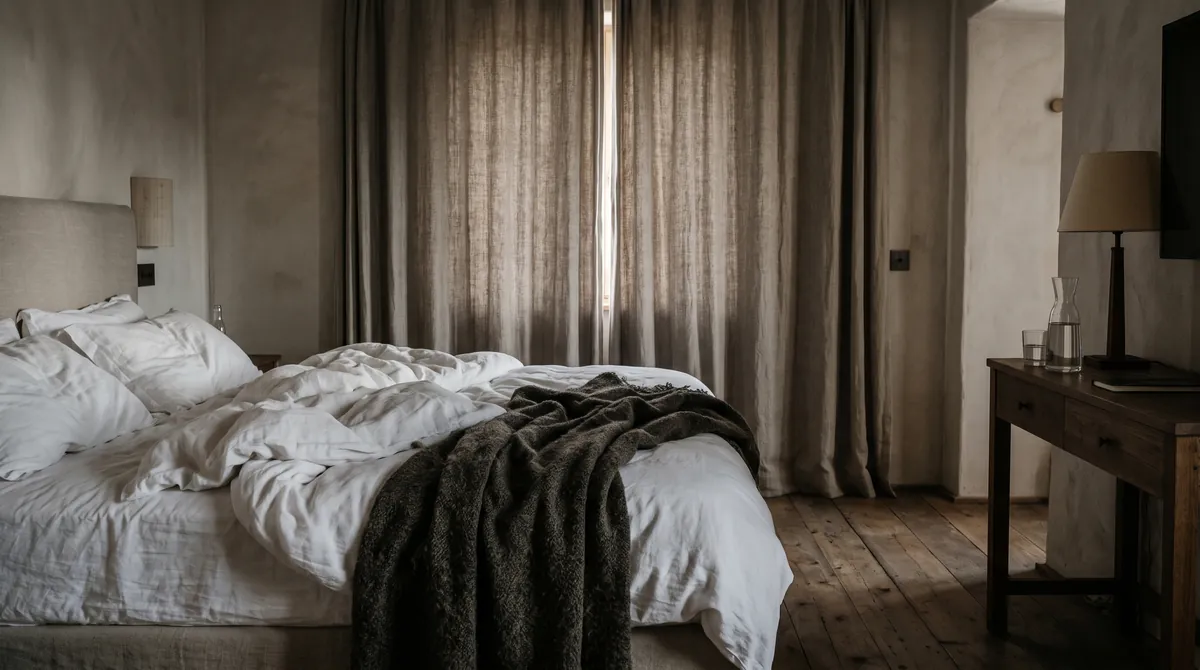
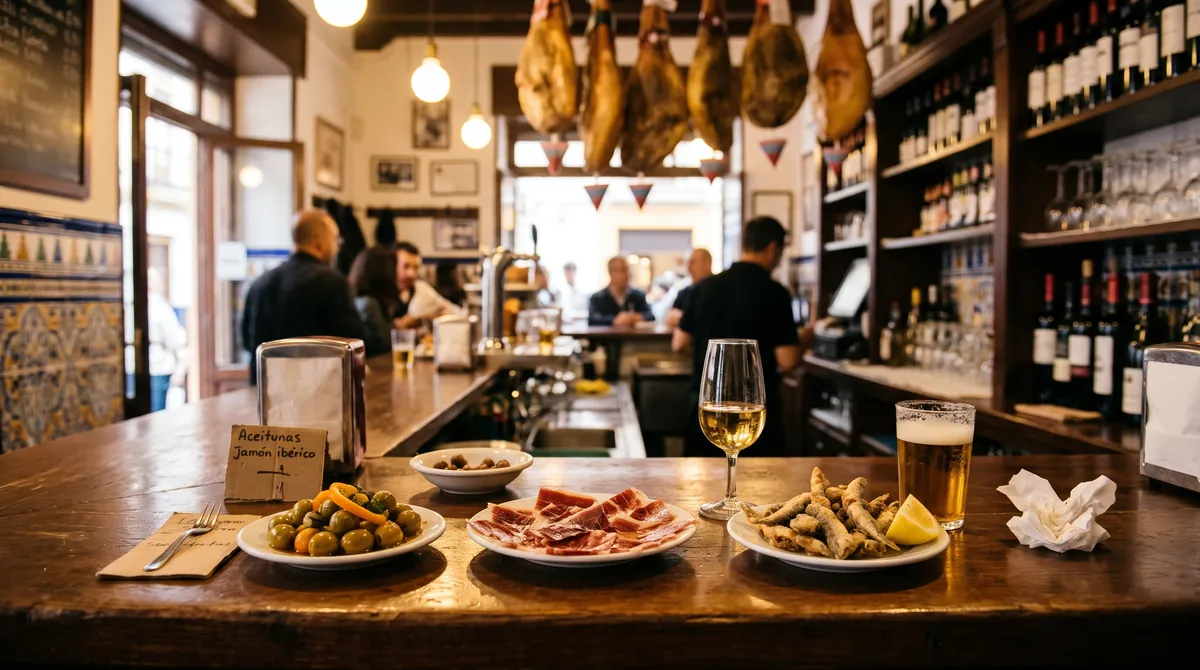
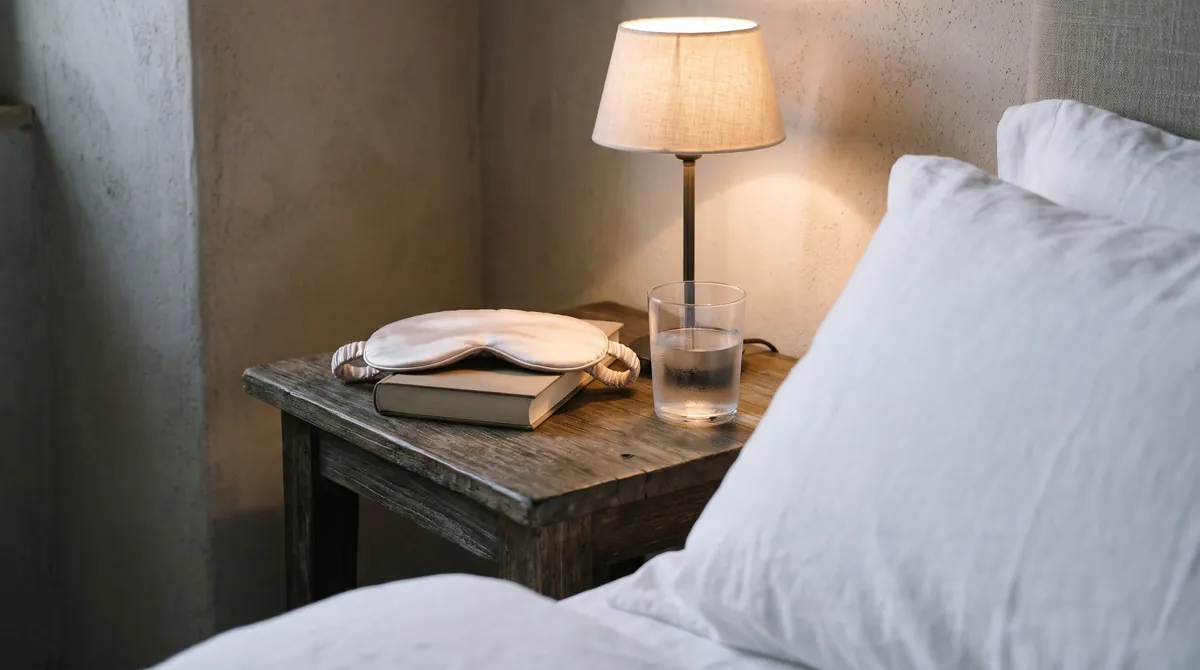
The first night in a new room is often lighter, which is one more reason to keep the second night generous. Choose a quiet room, darken it well and keep regular times even on holiday. The time difference option shows what your bedtime means on your home clock, useful for Lisbon or Helsinki, and for the late Spanish dinner that moves the evening an hour or two.
No. It is a simple calculator based on a widely used rule of thumb. It does not know your health, your habits or how you slept last night. If you have questions about your sleep, talk to a doctor. For travel planning, use it as a gentle orientation and trust how rested you feel.
The planner highlights the bedtimes that give five or six full cycles before your alarm, roughly seven and a half to nine hours including the time to fall asleep. That range suits many adults. If you are a short or long sleeper, simply pick the time that matches your own experience.
Read more
Three nights away pass quickly. How to choose a quiet room, manage light and noise, keep a gentle rhythm and enjoy late Spanish dinners while still resting well.
Quiet rooms, pillow menus, slow evenings: sleep tourism has become one of the gentler travel trends. What a sleep retreat usually includes and how to choose one.
Why Spanish kitchens seem closed just when you are hungry, and how to fall into the local rhythm, from coffee and toast to a late dinner and a long sobremesa.