
Sleep tourism: what a sleep retreat offers
Quiet rooms, pillow menus, slow evenings: sleep tourism has become one of the gentler travel trends. What a sleep retreat usually includes and how to choose one.
For years, travel was about doing as much as possible. Now more and more travellers book trips with the opposite aim: to rest. , as the trend is known, covers everything from hotels with especially quiet rooms to dedicated retreats built around calm evenings and slow mornings. The idea is appealing in its simplicity. You go away, you switch off, and you sleep well in a beautiful place.
What sleep tourism means
Sleep tourism is less a new kind of holiday than a new priority. Instead of fitting rest around a packed itinerary, the stay is designed around good nights: the room, the food, the timetable and the activities all point in the same direction. Some travellers choose a full retreat programme; others simply pick a hotel that takes quiet seriously and plan a gentler trip.
Part of the appeal is permission. On an ordinary holiday, an afternoon nap or an early night can feel like time lost. On a rest-focused trip, it is the whole point, and that freedom alone makes the days feel longer and lighter. A long lunch, a book in the garden and an evening walk become the programme rather than the gaps between it.
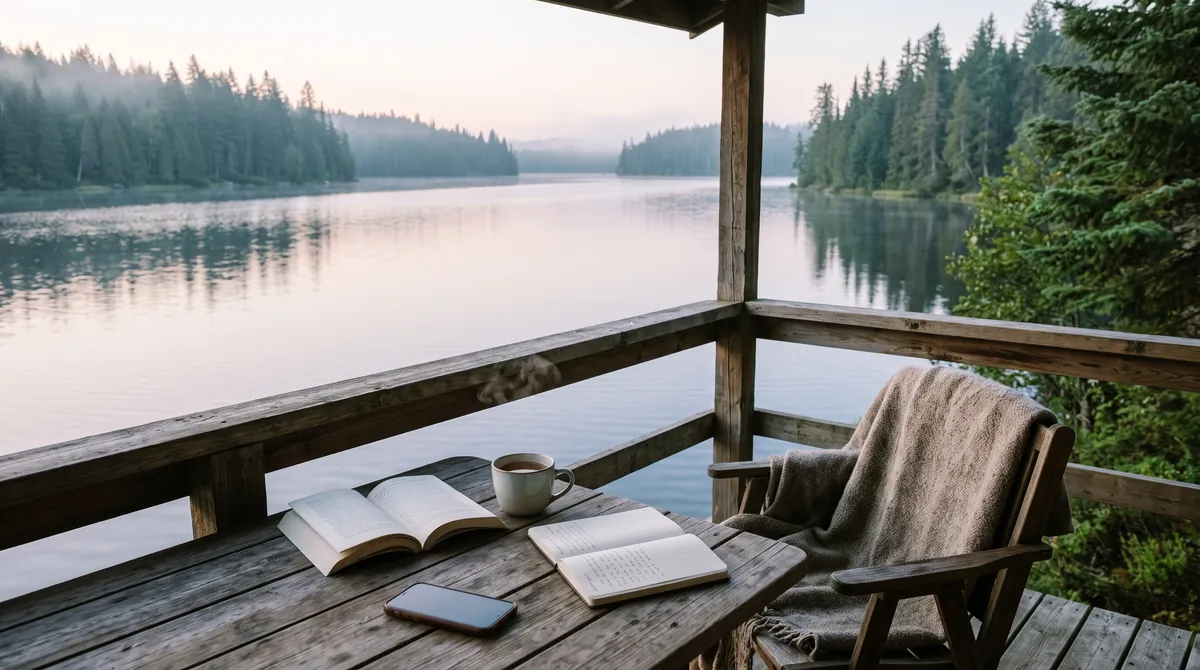
The settings vary widely. You find rest-focused stays in mountain valleys and forests, by quiet lakes and on coasts out of season, as well as in city hotels that have redesigned their rooms for calm. What they share is attention to the details that make a room restful, and a pace that leaves space for doing very little.
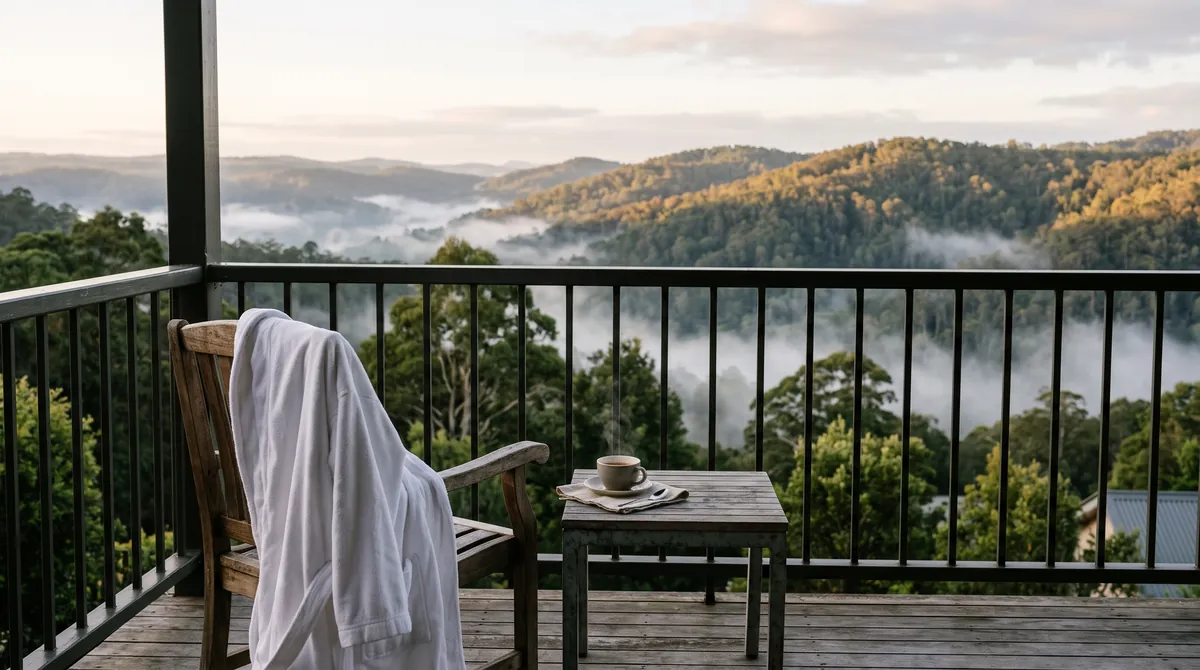
What a sleep retreat typically offers
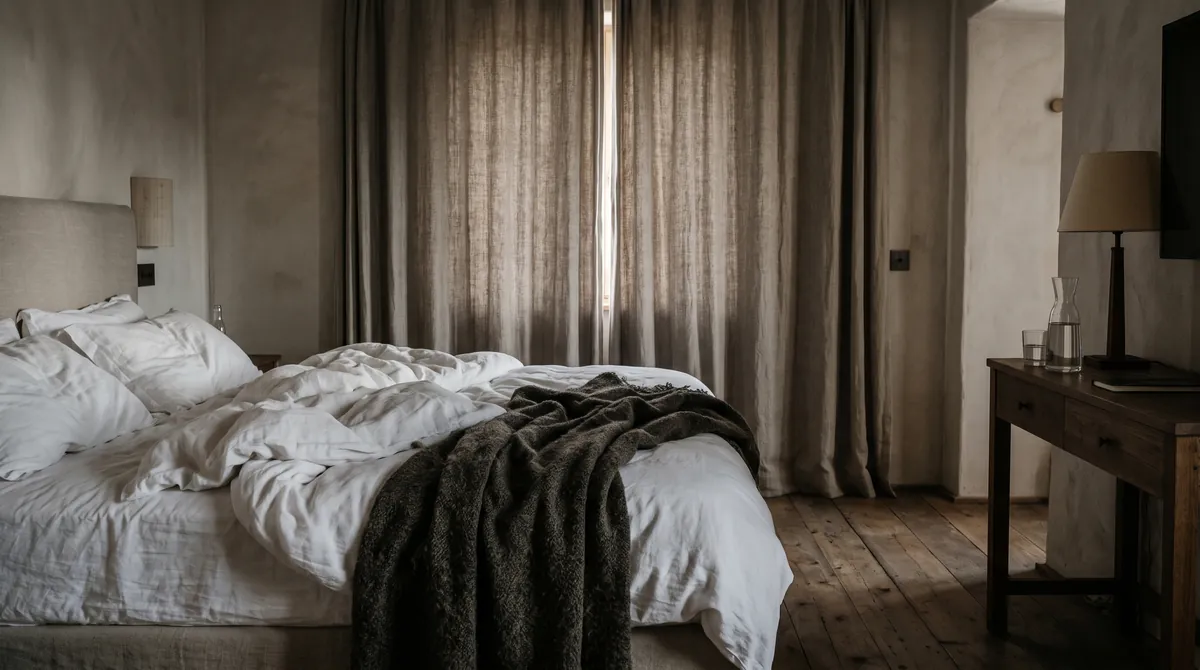
- Quiet rooms away from lifts, roads and bars, often with thick walls or extra insulation
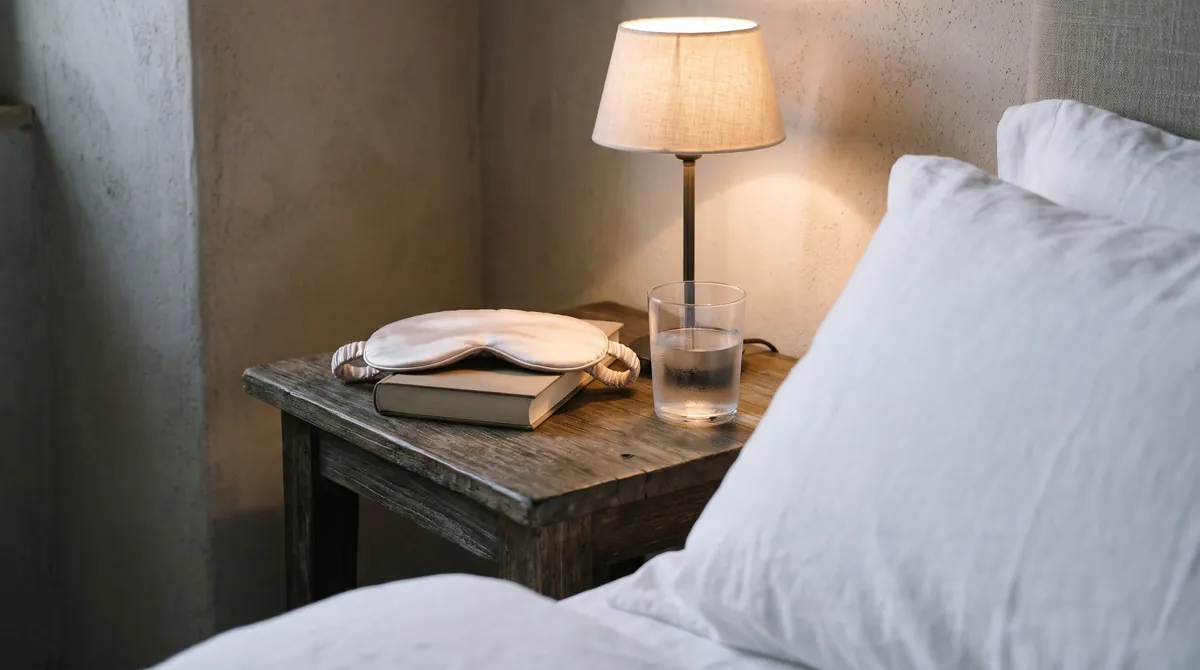
- or blinds, and lighting that dims to a warm glow
- A , and sometimes duvets of different weights
- Evening routines such as a warm bath, a cup of herbal tea or a gentle walk at dusk
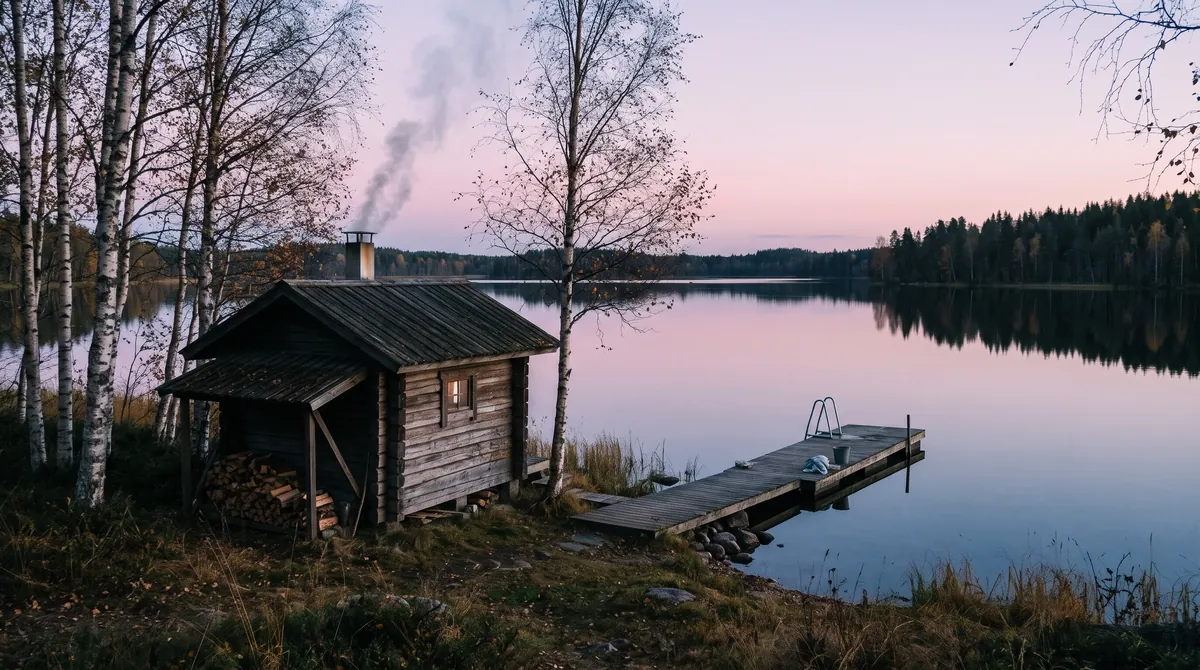
- Relaxing treatments such as massage, or a sauna in the late afternoon
- A , or a box to keep your phone out of the bedroom
- Breathing, stretching or gentle yoga sessions
- Light meals at regular times, with an early, unhurried dinner
Many programmes add time outdoors in daylight, because a morning walk in fresh air is one of the nicest ways to begin a slow day. Some retreats also offer talks about evening habits and bedroom comfort. The tone is usually relaxed: there are no targets, and the pleasure lies in having nothing in particular to do.
Food plays a quiet role as well. Expect lighter evening menus, earlier dinner times and plenty of herbal teas and fresh fruit. Kitchens often cook with local, seasonal produce, and meals are served without hurry, at tables where nobody is checking a phone.
How to judge whether a programme is serious
Because the term is popular, offers range from a simple pillow choice to carefully designed stays. A thoughtful programme shows its care in the basics. Look at how the rooms are described: their position, soundproofing and darkness matter far more than the thread count of the sheets.
- Where are the quietest rooms, and can you request one?
- Are the rooms fully dark at night, and can you control the temperature?
- What does a typical day look like, and how much free time is there?
- Who leads the sessions, and what training do they have?
- Are meals served at regular times, with lighter options in the evening?
A good retreat speaks about comfort, calm and enjoyment, and it is open about what a day includes. Be cautious with any offer that makes big promises. Where a programme includes medical elements, such as consultations, talk to your own doctor first and see the retreat as a pleasant addition to professional advice, not a replacement for it.
You go away, you switch off, and you sleep well in a beautiful place.
Recreating the conditions on any trip
You do not need a dedicated retreat to travel more restfully. When you book, ask for a quiet room on a higher floor, away from the lift and the street, and look for mentions of blackout curtains. Pack an eye mask and earplugs; they weigh almost nothing and make many rooms calmer.
Plan your days with the evening in mind. Keep the last hours gentle, eat dinner at a relaxed pace and take a short walk afterwards if the neighbourhood invites one. Dim the room lights, put the phone away and read a few pages of a paper book. In the morning, open the curtains and step outside early: daylight and a slow breakfast set a calm tone for the day.
Choosing the right setting
Think about what helps you personally to relax. Some people rest best in the silence of a forest, others with the sound of the sea, others in a city hotel with a spa and a park nearby. Seasons matter too: a coastal village in late autumn or a mountain valley in early summer is often far quieter than in the peak weeks.
Travelling alone or as a couple can both work well. Some retreats suit solo travellers, with shared dinners and group sessions, while others are designed for privacy. Read the description of a typical day and choose the one that sounds like a holiday you would enjoy, rather than a programme you would have to complete.
Three or four nights is a good length for a first rest-focused trip. It leaves time to settle in, find a rhythm and enjoy the last day without hurrying. Travel light, keep the journey simple and leave a free day at home afterwards, so the calm lasts a little longer.
Words in this article
- Sleep tourism
- Travel planned mainly around rest and good nights rather than sightseeing.
- Pillow menu
- A choice of pillows offered by a hotel, varying in filling, height and firmness.
- Blackout curtains
- Heavy curtains or blinds that keep out daylight and street light.
- Digital-free zone
- An area where phones, tablets and laptops are put away.
Questions readers ask
Is a sleep retreat a medical programme?
Most sleep retreats are about comfort and relaxation: quiet rooms, calm evenings, gentle movement and good food at regular times. They are a form of restful travel, not treatment. If a programme includes medical elements such as consultations, talk to your own doctor first and think of the retreat as a pleasant addition to professional advice.
Can a sleep retreat be combined with sightseeing?
Yes, as long as the sightseeing stays gentle. Plan one outing per day, ideally in the morning, and keep the afternoons and evenings free for walks, a sauna or simply reading. City hotels with a focus on quiet rooms make it easy to enjoy a museum or a market by day and a calm evening afterwards.
What should you pack for a restful trip?
An eye mask and earplugs are the most useful small items, followed by comfortable layers for evenings outdoors and a paper book for the last part of the day. Add soft clothes for yoga or stretching sessions, walking shoes for morning strolls and swimwear if there is a pool or sauna.