
Eating at local hours: the rhythm of a Spanish day
Why Spanish kitchens seem closed just when you are hungry, and how to fall into the local rhythm, from coffee and toast to a late dinner and a long sobremesa.
Many visitors to Spain have walked into an empty dining room at seven in the evening, or found a kitchen closing just as hunger struck at four. Nothing is wrong: the day simply runs on a different clock. Once you know its rhythm, eating in Spain becomes one of the great pleasures of travel, and the evenings feel longer and more sociable.
A day that runs later
Spain has kept Central European Time since 1940, although much of the country lies on roughly the same longitude as Britain and Portugal. By the clock, the sun therefore rises and sets later than it would further east, and meals have followed it. A lunch at two and a dinner at nine or ten feel natural when the light lasts well into the evening, especially in summer.
Climate plays its part too. In the south, the middle of the afternoon is the hottest time of day, so people linger over lunch, rest or stay indoors, and come out again when the streets cool down. In smaller towns many shops close for a few hours after lunch and reopen in the early evening, when the squares fill up again.
The five moments of the Spanish table
- Desayuno: a light breakfast, often just coffee with a pastry or toast. A favourite in much of the country is tostada con tomate, toasted bread with grated tomato, olive oil and a pinch of salt.
- Mid-morning: around eleven, many people pause for a second coffee and a small bite, a slice of tortilla or a filled roll. In some regions this snack is called almuerzo.
- Comida: the main meal of the day, eaten between about 2 and 4 pm, usually with two courses and dessert or coffee.
- : a late afternoon snack around six, from a small sandwich to a pastry or, on cool days, churros with thick hot chocolate.
- Cena: dinner, rarely before 9 pm and often later at weekends and in summer, and usually lighter than lunch.
Seen this way, the gaps between meals are shorter than they look. The mid-morning snack carries you to a late lunch, and the merienda bridges the long afternoon until dinner.
The menú del día and the lunchtime habit
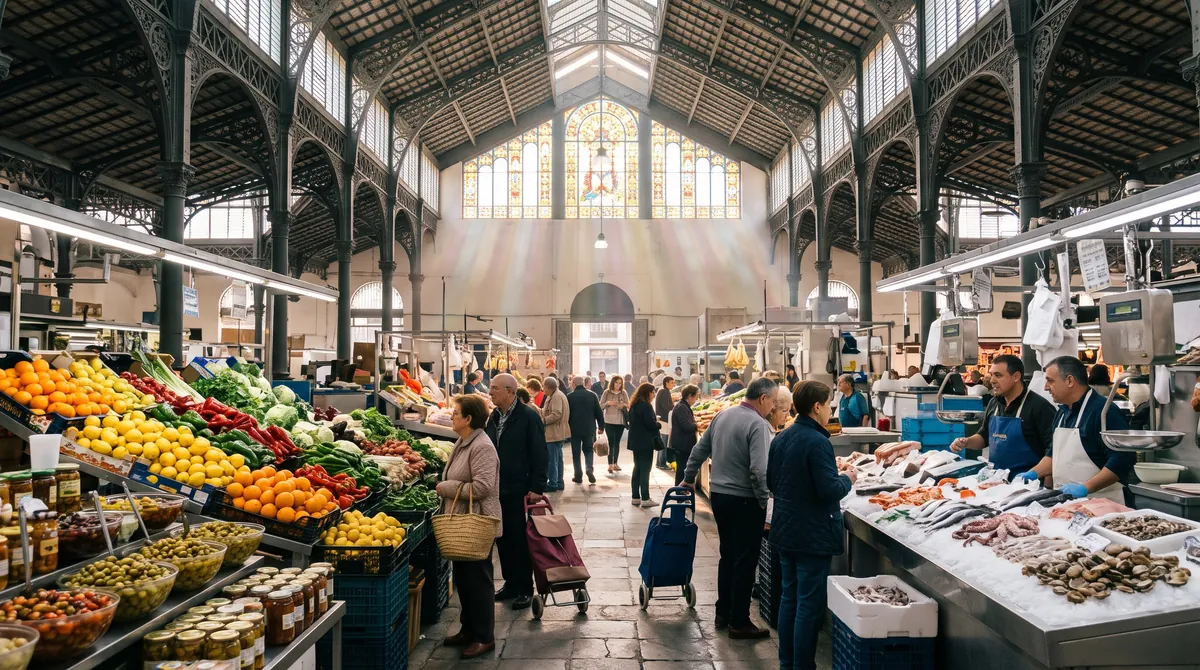
On weekdays, many restaurants and bars serve a at lunchtime: a set menu with a choice of starters and main courses, followed by dessert or coffee. Bread and a drink, often water, wine or beer, are usually included. Look for a handwritten board by the door or a printed sheet on the table.
The first course might be a salad, a vegetable stew, a soup or a plate of pasta; the second, grilled fish, roast chicken or a slow cooked meat dish. Dishes change with the market and the season. Service usually begins around half past one and the kitchen may close by four, so this is the meal to plan your day around.
Tapas: small plates, big customs
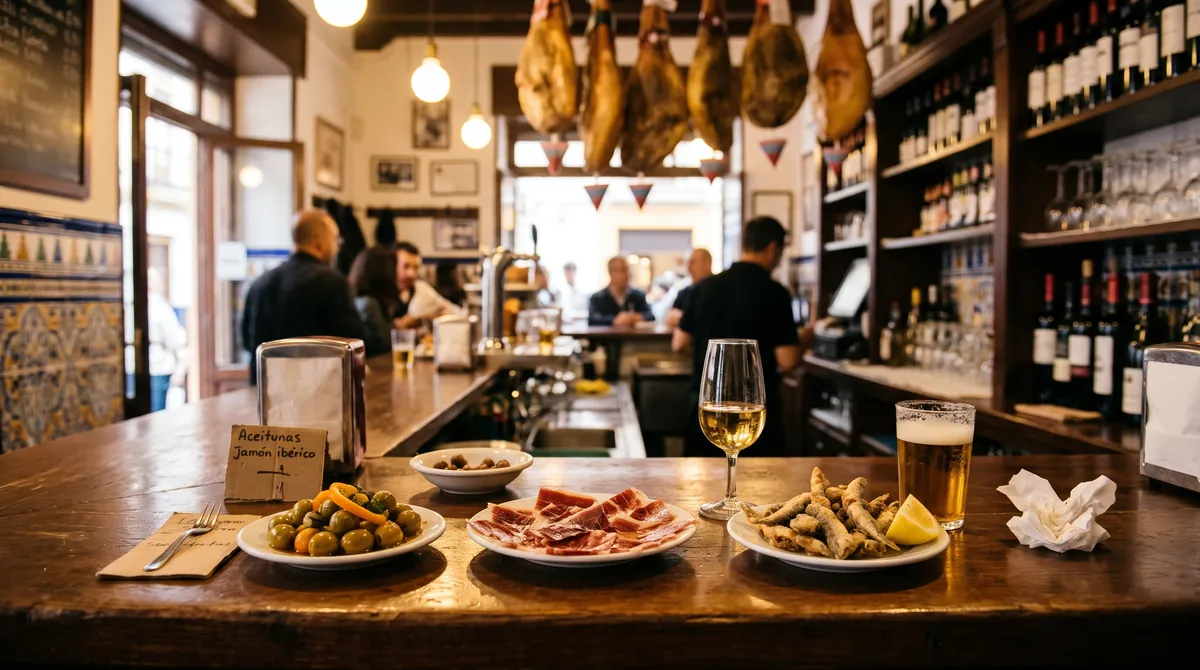
Tapas are less a type of food than a way of eating. You order a drink and perhaps a small plate with it, stand at the bar or perch at a high table, and move on to the next place after a round or two. The word tapa means lid, and a popular story links it to a slice of bread or ham once laid over a glass.
Menus often list three sizes. A tapa is a few mouthfuls, a is a half portion, and a ración is a full plate meant for sharing. Ordering several medias raciones for the table is a good way to try more dishes without overdoing it.
Customs vary from region to region. In Granada a small tapa traditionally arrives free with each drink, and the dish often changes with every round; bars in cities such as Jaén and León keep similar traditions. In the Basque Country, counters are lined with pintxos, small bites often held together with a cocktail stick.
On Mallorca, the simplest island meal is : country bread rubbed with juicy ramallet tomatoes, drizzled with olive oil and salted, often topped with cured ham or cheese and served with olives. It appears at breakfast, as a light lunch and as a late supper alike.
Once you know its rhythm, eating in Spain becomes one of the great pleasures of travel.
Sobremesa and the art of lingering
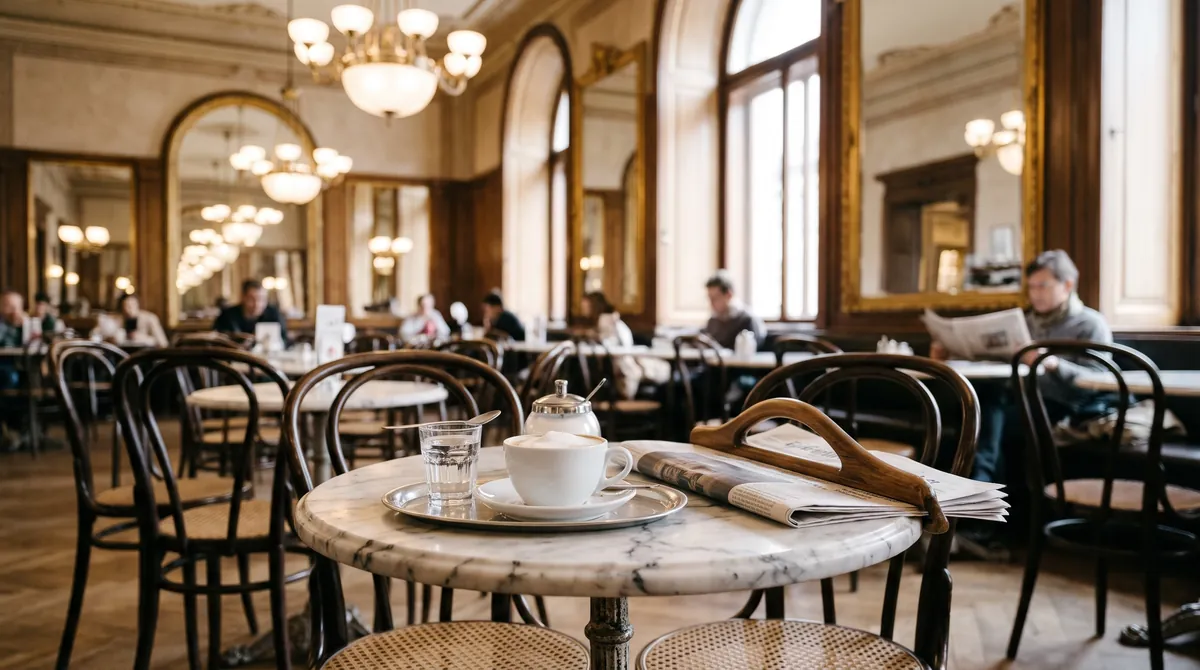
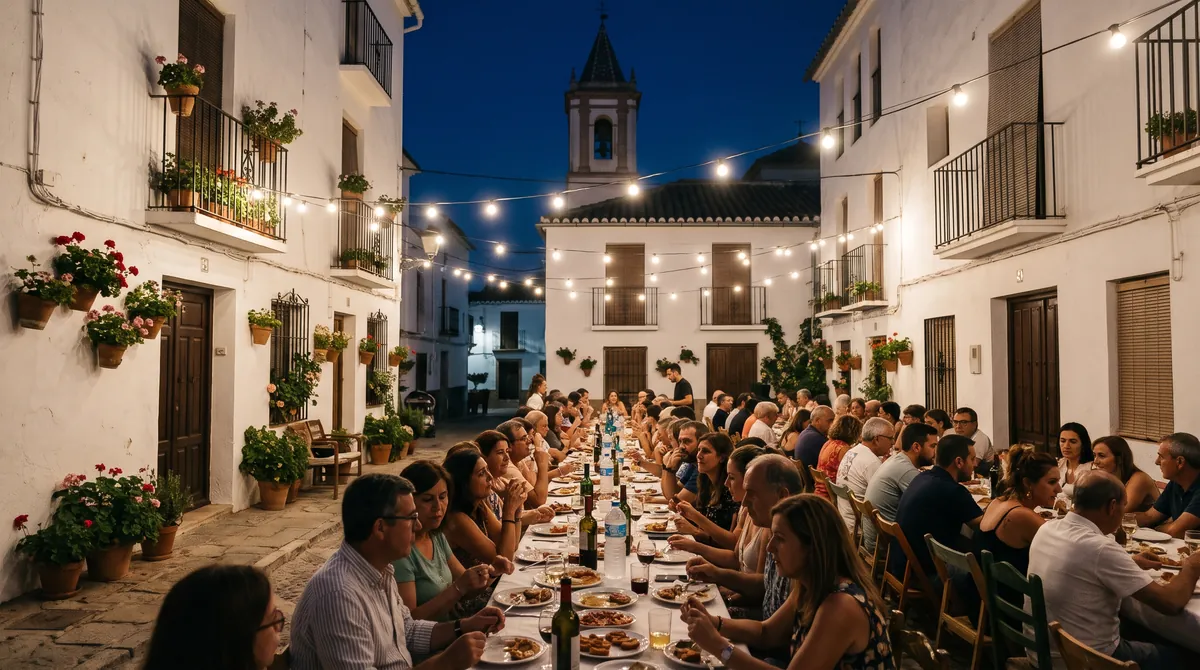
When the plates are cleared, nobody hurries away. , literally “over the table”, is the time spent talking after a meal, over coffee or a small glass of something. Waiters rarely bring the bill unasked, as that would feel like rushing you; ask for it when you are ready, with a simple “la cuenta, por favor”.
Weekends shift everything later still. A Sunday lunch with family can begin at half past two and last well into the evening, and on summer nights you will see people of all ages strolling and chatting long after dark.
Tips for families and early eaters
- Make lunch your main meal. Restaurants are at their liveliest between 2 and 4 pm, and the menú del día is an easy way to eat well.
- Use the merienda. A snack around six makes a nine o’clock dinner easy, especially for children.
- Eat tapas early. Many tapas bars serve from the early evening, so a few plates at eight can replace a full dinner.
- In larger cities and resorts, look for kitchens that serve all day, often signposted as cocina non-stop.
- Bring the children. Families eat out together, and young children are welcome in most restaurants and squares, even late in the evening.
Words in this article
- Sobremesa
- The unhurried time spent talking at the table after a meal, over coffee or a small drink.
- Merienda
- A late afternoon snack, often around six, that bridges the gap between lunch and a late dinner.
- Menú del día
- A weekday lunchtime set menu with a starter, main course and dessert or coffee, usually with bread and a drink.
- Media ración
- A half portion of a dish, between a small tapa and a full ración for sharing.
- Pa amb oli
- Mallorcan bread rubbed with tomato, drizzled with olive oil and salted, often topped with ham or cheese.
Questions readers ask
What time do restaurants open for dinner in Spain?
Many restaurants open their dining rooms for dinner around half past eight or nine, and locals often sit down later still, especially at weekends and in summer. In big cities and tourist areas some kitchens serve earlier or all day. If you prefer to eat early, a round of tapas in the early evening is the most natural local alternative.
Is the menú del día served every day?
The menú del día is above all a weekday lunchtime custom, aimed at people eating out during the working day. Some restaurants offer a version at weekends, often with more elaborate dishes, while others serve only their regular menu on Saturdays and Sundays. Look for the board by the door, or simply ask whether there is a menú today.
How can families with young children manage late meal times?
Follow the local pattern rather than resisting it. Make lunch the main meal, give children a generous merienda around six, and plan a light, relaxed dinner or a few tapas in the early evening. Spanish families often eat out together late, and children are welcome in most restaurants, so there is no need to worry about bringing them along.