
Fika, Kaffeehaus and café con leche: coffee cultures for city travellers
From Swedish fika to the Viennese coffee house, Lisbon’s bica and Málaga’s scale of milk: how a cup of coffee opens a door to local life in five cities.
Few habits reveal a city faster than the way it drinks coffee. In Stockholm it is a pause shared with colleagues, in Vienna an afternoon at a marble table, in Lisbon a quick espresso at the counter and in Málaga a precise order called across the bar. Learn a little of the local vocabulary and every cup becomes a small key to how people live.
Stockholm: fika as a social ritual
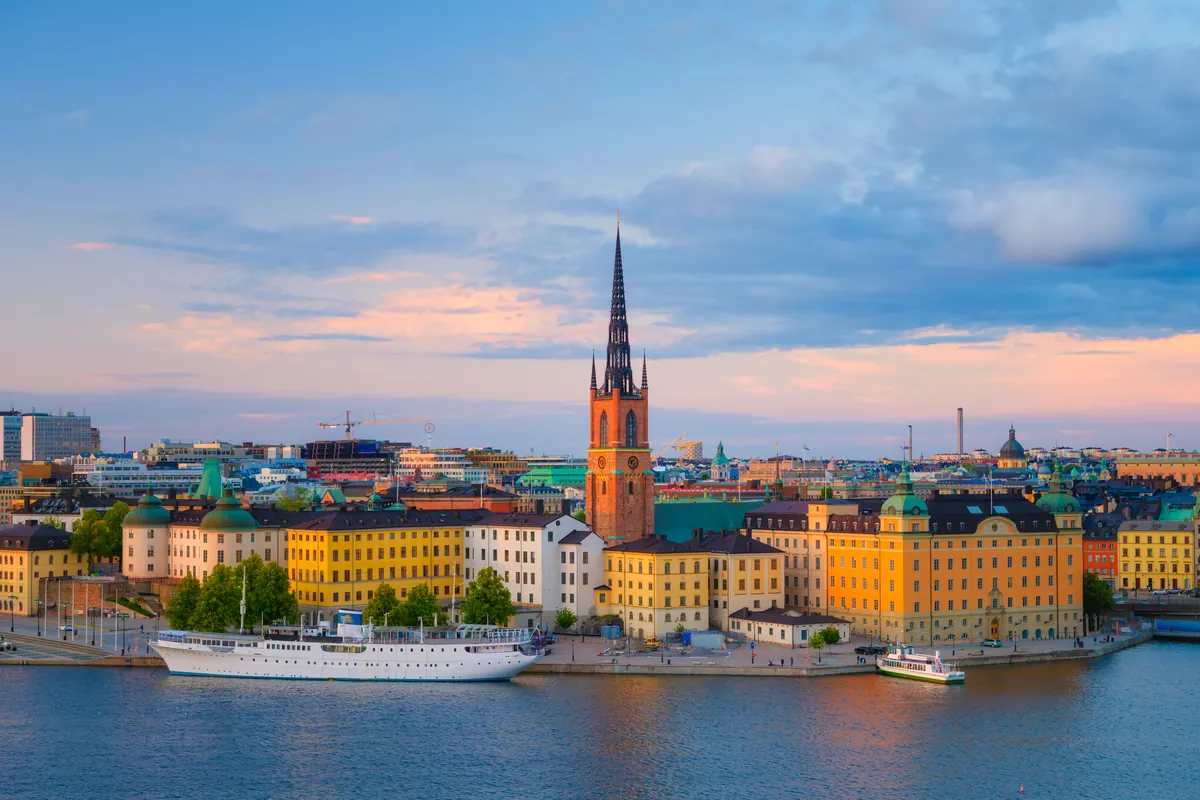
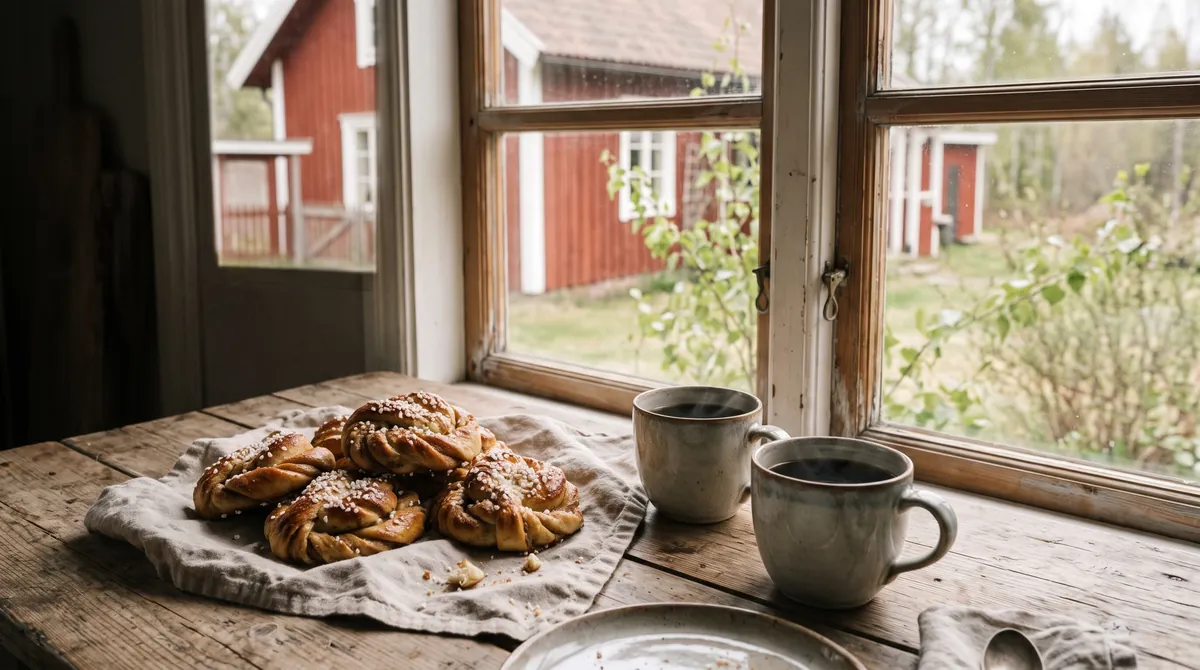
In Sweden, is both a noun and a verb. It means a coffee break with something sweet, and it is as much about company as about coffee. Many workplaces pause for it during the day, families gather for it at weekends, and friends meet for it instead of a drink. The point is to stop, sit down and talk.
The classic companion is the , the cinnamon bun, soft and spiced and scattered with pearl sugar, closely followed by the cardamom bun. Sweden even gives the cinnamon bun its own day: Cinnamon Bun Day on 4 October, introduced in 1999 by the Swedish Home Baking Council. On that day bakery windows across the country fill with buns.
Vienna: an afternoon at the Kaffeehaus
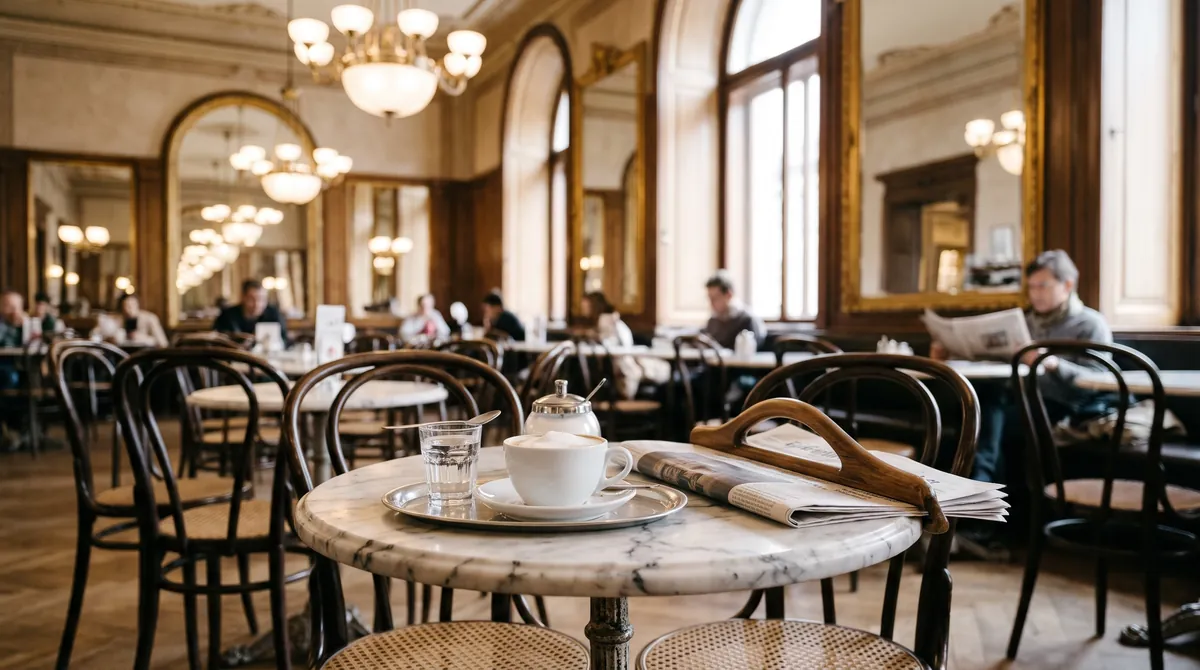
The Viennese coffee house is less a café than a public living room. In 2011 Viennese coffee house culture was entered in Austria’s national inventory of intangible cultural heritage, kept under the UNESCO convention. The setting is part of the ritual: marble-topped tables, bentwood chairs, newspapers to read and the understanding that only the coffee appears on the bill, while the time you spend is yours.
Order a , coffee with steamed milk and a cap of foam, or an Einspänner, strong coffee in a glass under whipped cream, named after a one-horse carriage. A Kleiner Brauner is a small black coffee with a splash of milk or cream. Your cup usually arrives on a small tray with a glass of water, and you may stay for hours without anyone suggesting otherwise.
Lisbon: bica at the counter, nata on the side
In Lisbon, a short black espresso is a , a word used mainly in the capital; elsewhere in Portugal people simply ask for um café. Add a drop of milk and it becomes a pingado. The milky options belong mostly to the morning: a galão comes in a tall glass and is mostly milk, while a meia de leite is roughly half coffee and half milk.
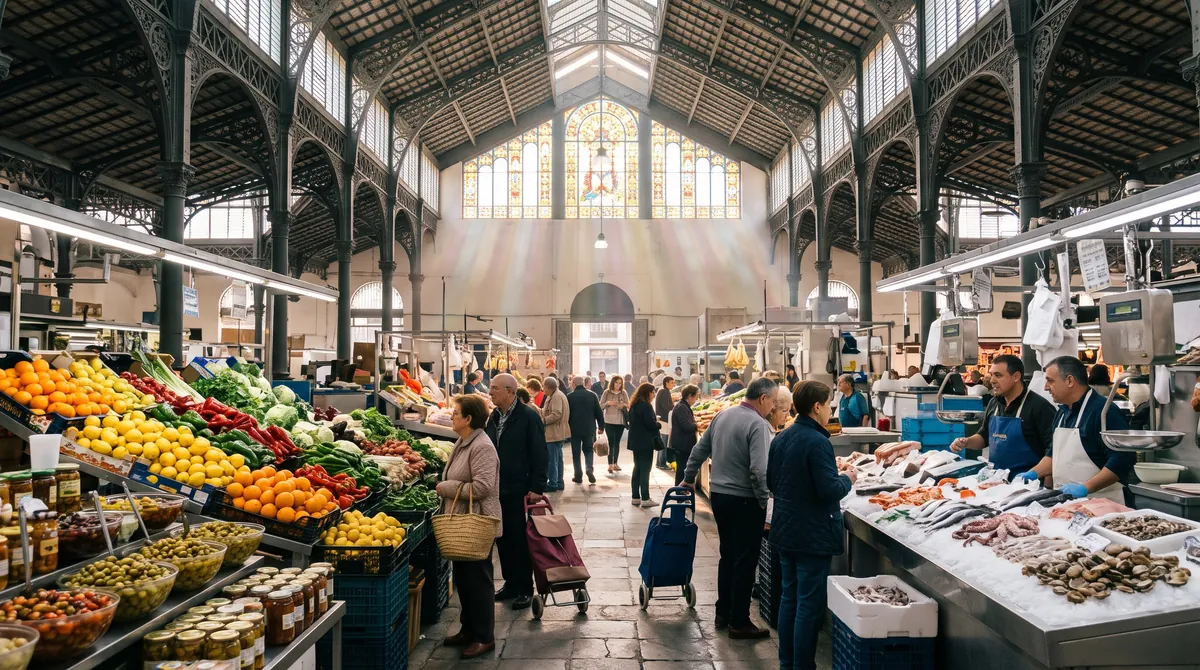
The natural setting is the pastelaria, a pastry shop with a long counter, where people drink quickly standing up or linger at a small table. The pastry to pair with it is the pastel de nata, a custard tart in crisp, flaky pastry, often dusted with cinnamon. Tradition traces it to the monks of the Jerónimos Monastery in Belém. For many people in the city, a milky coffee and a pastry on the way to work is the most natural start to the day.
Spain and Málaga: a scale of milk
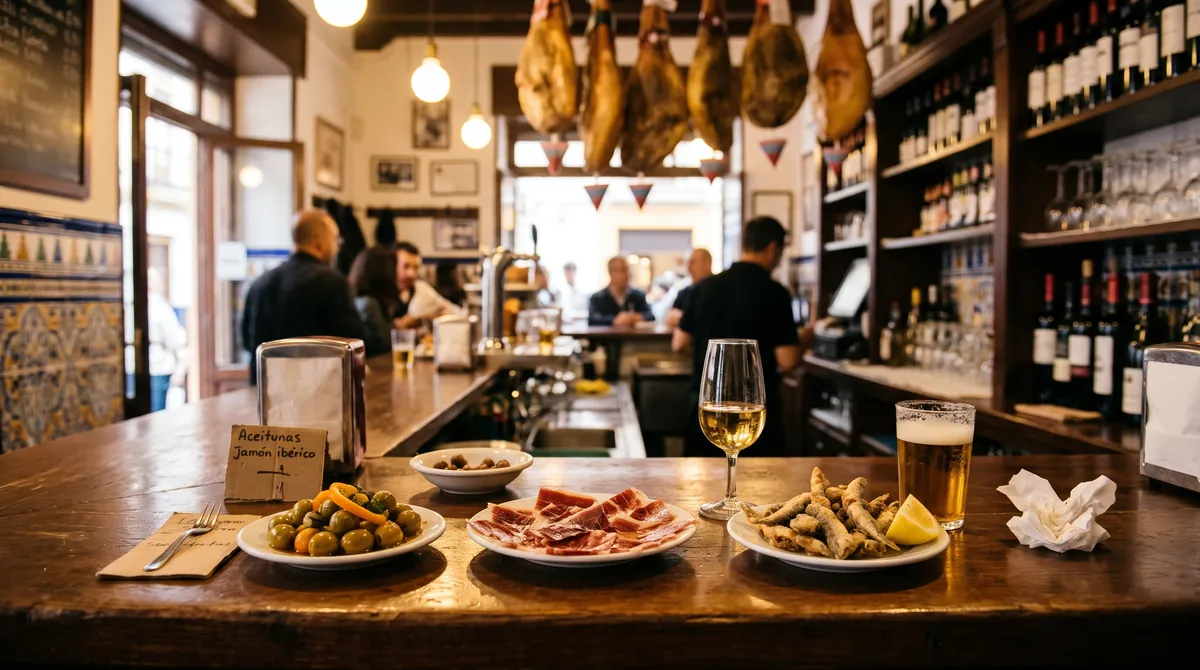
Across Spain, three orders will carry you a long way. A café solo is a short black coffee, a cortado is an espresso cut with a little milk, and a café con leche is a larger coffee with plenty of hot milk, most popular at breakfast. Many people take their coffee standing at the bar, a quick, friendly ritual that rarely lasts more than a few minutes.
Málaga goes further, with its own names for the balance of coffee and milk, often served in a glass. The scale runs roughly from solo through largo, semilargo, solo corto, mitad, entrecorto, corto and sombra to nube. Ratios vary a little from bar to bar, but the main steps are easy to remember:
- Solo: black coffee, no milk.
- Largo: mostly coffee with a little milk.
- Mitad: half coffee, half milk.
- Sombra: a ‘shadow’ of coffee in plenty of milk.
- Nube: a ‘cloud’, hot milk with just a splash of coffee.
Hamburg: coffee with a Franzbrötchen
In Hamburg, the essential partner for a morning coffee is the . The dough is buttered and folded several times, sprinkled with sugar and cinnamon, rolled up, cut into thick slices and pressed down in the middle, which gives it its flattened, swirled shape. Crisp at the edges and soft inside, it sits somewhere between a croissant and a cinnamon bun.
The name means roughly “French roll”. A popular story links it to the French occupation of the city from 1806 to 1814, but its exact origin remains uncertain. Once a purely Hamburg speciality, it is now found in bakeries in Bremen, Berlin and other German cities, yet it still tastes most at home in the harbour city.
Learn a little of the local vocabulary and every cup becomes a small key to how people live.
How to order without fuss
Coffee customs are relaxed almost everywhere, and a little local knowledge simply makes each order smoother. These habits travel well between the five cities:
- Stand at the bar for a quick coffee in Lisbon, Málaga and across Spain, and take a table when you want to linger.
- In a traditional Viennese coffee house, sit down and let the waiter come to you, then take your time.
- Expect milky coffees to be most popular in the morning in Spain and Portugal, with shorter coffees after lunch.
- In Stockholm, treat an invitation to fika as an invitation to spend time together, not only to drink coffee.
- Pair your cup with the local pastry: a kanelbulle, a slice of apple strudel, a pastel de nata or a Franzbrötchen.
Words in this article
- Fika
- A Swedish coffee break with something sweet, shared at work, at home or with friends.
- Kanelbulle
- The Swedish cinnamon bun, scattered with pearl sugar and celebrated on 4 October.
- Melange
- Viennese coffee with steamed milk and a cap of milk foam.
- Bica
- Lisbon’s word for a short black espresso, usually drunk at the counter.
- Franzbrötchen
- A Hamburg pastry of buttery folded dough with cinnamon and sugar, pressed into a flattened swirl.
Questions readers ask
Is it unusual to order milky coffee in the afternoon in Spain or Portugal?
Not at all, and nobody will mind. Milky coffees such as café con leche or galão are simply most popular in the morning, often with breakfast, while short coffees like a cortado or bica are common after lunch. Order whatever you enjoy; knowing the local habit just helps you understand what the people around you are drinking.
How long can you stay in a Viennese coffee house?
As long as you like. Lingering is part of the culture: you can read the newspapers, write, talk or simply watch the room over a single coffee. The waiter will bring your coffee with a glass of water and will not rush you. When you are ready to leave, catch the waiter’s eye and ask for the bill.
Do you need to speak the language to order coffee?
No, but one or two local words go a long way. Asking for a bica in Lisbon, a Melange in Vienna or a sombra in Málaga shows curiosity and usually brings a warm response. In Stockholm, English is very widely spoken, and fika needs no translation once you have joined in.