
Special places to stay for a short break
Paradores, farm estates, fishermen’s cabins and lighthouse cottages: where the room becomes part of the trip, and what to ask before you book.
On a three night trip, the place you sleep shapes more of the journey than it does on a long holiday. A castle room, a farmhouse among almond trees or a red cabin at the edge of the sea turns evenings and mornings into part of the experience rather than time spent between sights. The trade-off is that special places often come with quirks: steep stairs, long drives, thick walls that keep out both the heat and the phone signal. Here are the types worth knowing, with an honest look at what each one asks of you.
History run by the state: paradores and pousadas
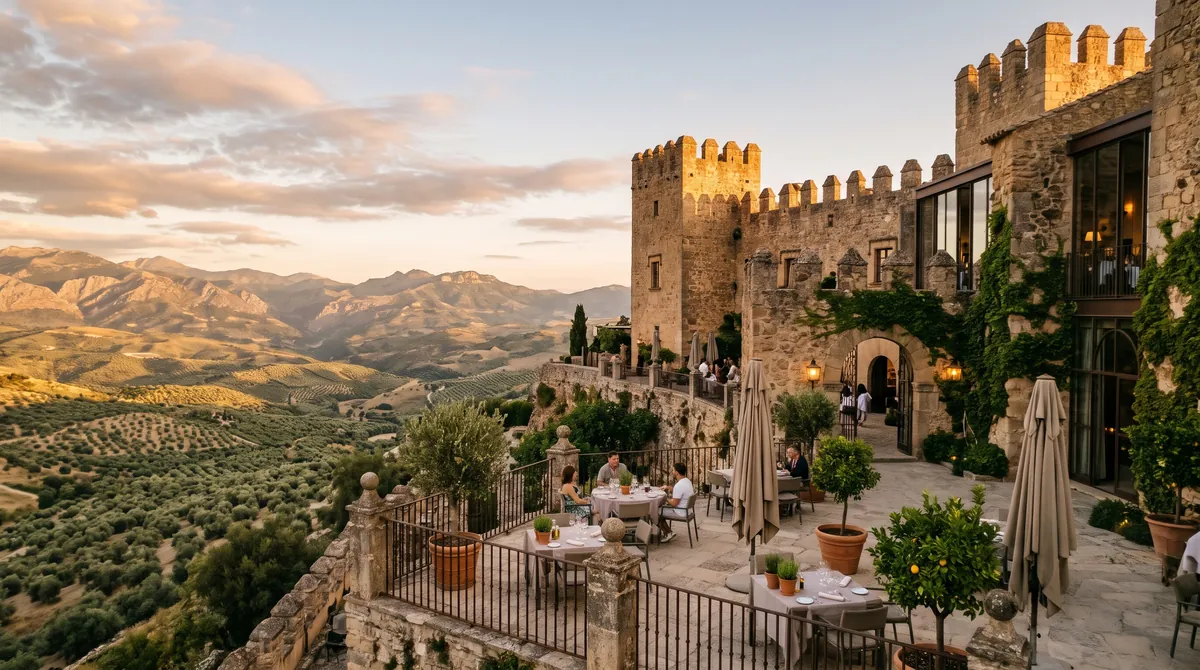
Spain’s paradores began in 1928, when the first one opened in the Sierra de Gredos, west of Madrid. The idea that followed proved lasting: give castles, monasteries, palaces and convents a new life as state-run hotels, often in towns that travellers might otherwise pass through. Today the network spans the country, from Galicia to Andalusia, and many of its buildings are monuments in their own right.
Portugal followed with its pousadas. The first opened in Elvas, in the Alentejo, in 1942, and from the 1950s the idea extended to historic buildings such as castles and convents. Both networks share a certain style: generous public rooms, regional cooking in the dining room and a sense of occasion at breakfast.
The advantages are clear: history you can sleep in, often superb views and a dependable standard. The drawbacks are subtler. Rooms in old buildings vary a great deal in size and outlook, and a castle on a hilltop usually means a drive or a steep walk to reach the town below. Ask which rooms face the view, and whether the building has a lift.
Farm estates and fincas in the Mallorcan countryside
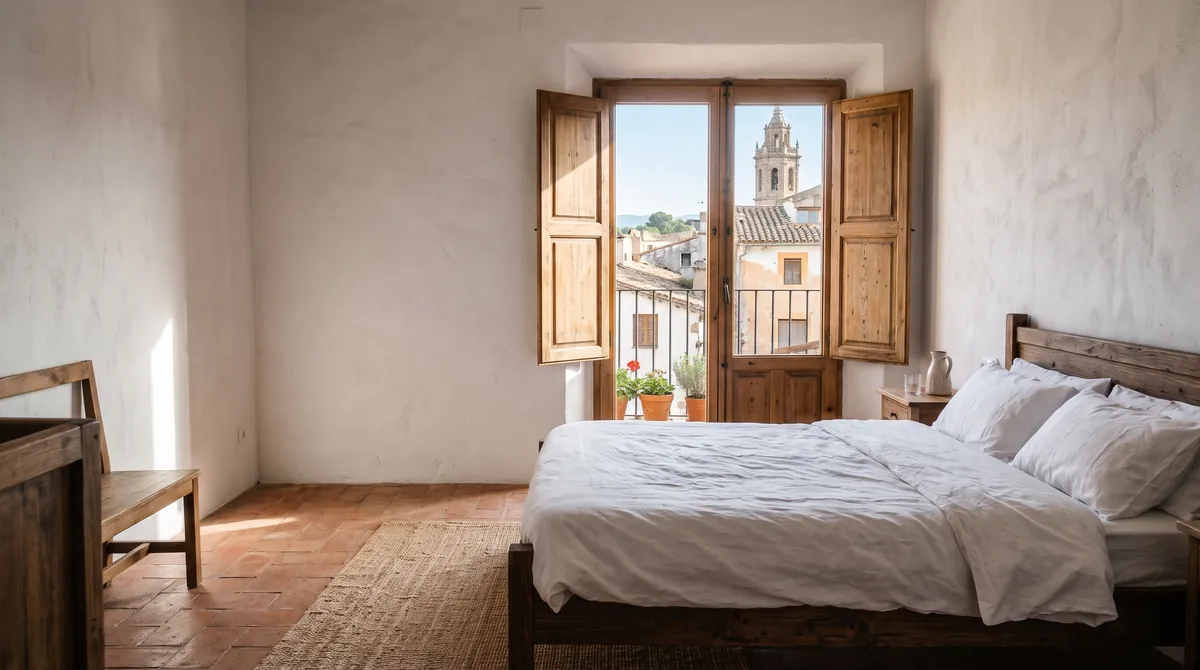
In Mallorca, an is a country estate where farming continues alongside the guest rooms. Under Balearic tourism rules these places stand on rural land and keep some agricultural activity, so you may wake to sheep bells, olive groves or a vegetable garden that supplies the breakfast table. Many occupy old stone fincas, farmhouses with thick walls, courtyards and wooden shutters.
For a short break, a farm estate offers quiet and space at a pace that suits three nights well. The trade-off is distance. You will almost always need a car, and dinner may mean a drive back from the nearest village on narrow lanes. Check whether the estate serves evening meals, and how far it is to a bakery or a village square.
Cabins on the water: rorbuer in Lofoten
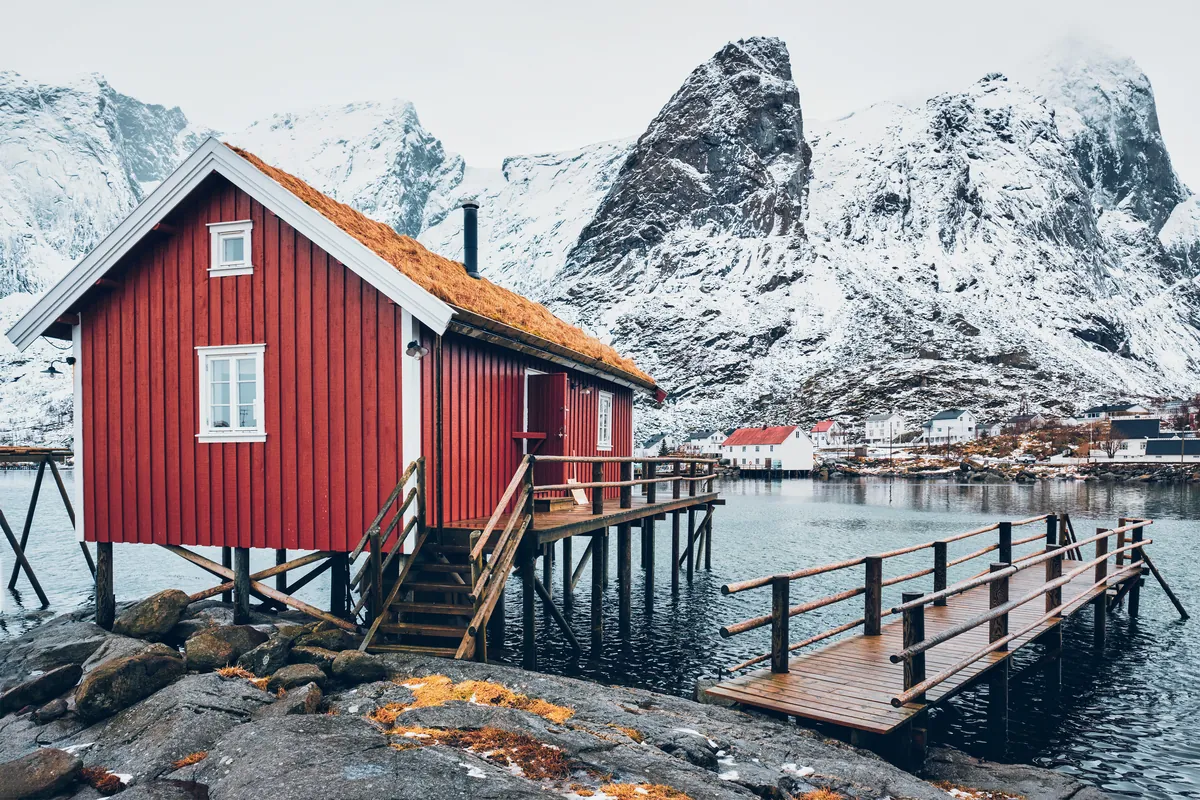
In the Lofoten Islands of northern Norway, are fishermen’s cabins built partly on land and partly on stilts above the water. For centuries, crews came to Lofoten for the winter cod fishery, which still runs from roughly January to April, and they needed somewhere to sleep, cook and store their gear close to the boats. Many of the cabins that survive date from the 19th century onwards, and plenty have been converted for visitors.
Staying in one means waking to the sound of water under the floorboards and gulls on the roof ridge. Most are self catering, compact and practical rather than luxurious. In summer the midnight sun stays above the horizon from about late May to mid July, and in the dark season clear skies bring a chance of northern lights. Ask about heating, how the bathroom is arranged and whether bed linen is included.
On a three night trip, the place you sleep shapes more of the journey than it does on a long holiday.
Castles, lighthouses, treehouses and monasteries
Beyond the national networks, a wide range of buildings now welcome overnight guests. Castle and palace hotels are found across Europe, from Scottish tower houses to Central European manors. They suit a celebration, but rooms in towers can mean spiral stairs, and the grandest halls are not always the warmest in winter.
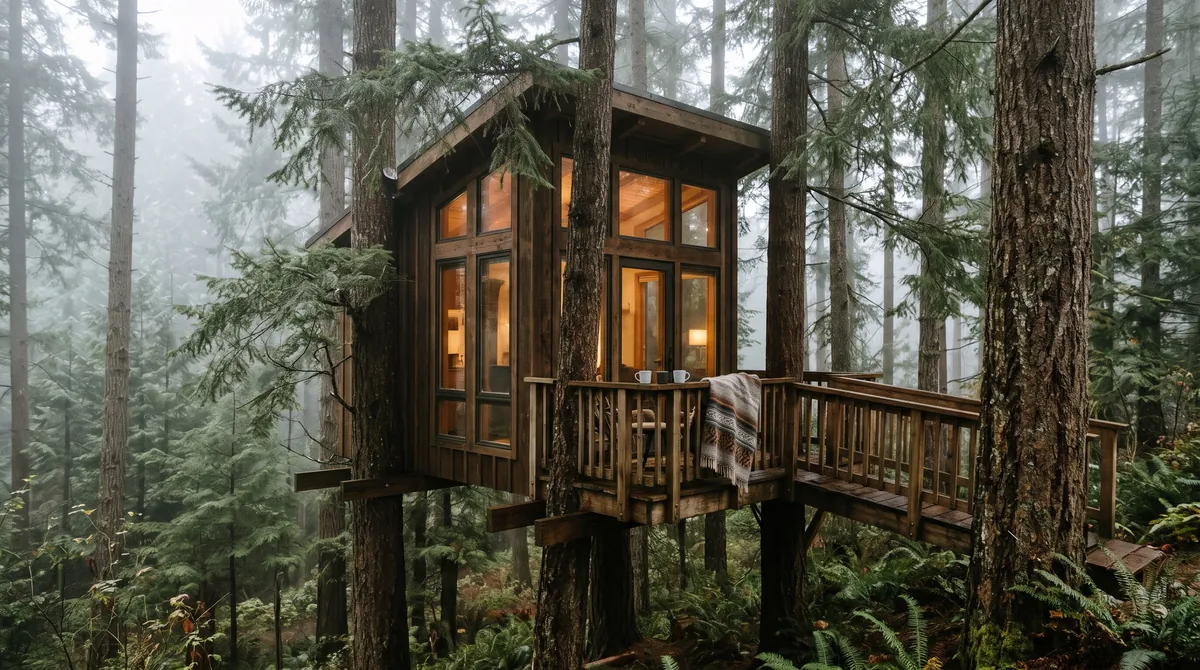
Lighthouse keeper’s houses stand along many coasts, from Scandinavia to Ireland, and are often let as self catering cottages. They offer wind, horizon and very little else, which is exactly the point. Treehouse hotels, especially in Scandinavian forests, place you among the branches with a walkway or ladder to the door. Monastery guest houses, many still run by religious communities, keep simple rooms, quiet hours and sometimes shared meals.
Each of these asks for a little flexibility. A lighthouse may be many kilometres from the nearest shop, a treehouse may have its bathroom in a separate building, and a monastery may expect guests back before the gate closes in the evening.
- Paradores and pousadas: history and a dependable standard, though rooms vary and hilltop sites need a car.
- Agroturismo: quiet, space and farm produce, though villages and restaurants are a drive away.
- Rorbuer: water at the door and northern light, with compact rooms and self catering.
- Lighthouses and treehouses: a real sense of escape, with limited facilities and sometimes a separate bathroom.
- Monastery guest houses: calm and simplicity, with house rules and early evenings.
What to ask before you book
Special places reward a few questions in advance. The answers rarely change the decision, but they help you plan the three nights around the building rather than against it.
- Access by car: is the last stretch unpaved, steep or narrow, and where do you park?
- Stairs: how many flights lead to the room, and is luggage carried for you?
- Heating and cooling: how is the room kept warm in winter and cool in summer?
- Minimum stay: many special places ask for two or three nights, especially at weekends and in high season.
- Distance to food: is there a dining room, a kitchen or a village within walking distance?
- Arrival time: who hands over the key if you arrive late in the evening?
Words in this article
- Parador
- A state-run Spanish hotel, often in a castle, monastery or palace; the first opened in 1928.
- Pousada
- A Portuguese hotel in the same spirit as the parador, often in a historic building; the first opened in 1942.
- Agroturismo
- A Mallorcan country estate on rural land that combines guest rooms with some farming activity.
- Finca
- A rural estate or farmhouse in Spain, in Mallorca often built of stone around a courtyard.
- Rorbuer
- Fishermen’s cabins in Lofoten built partly on stilts above the water, now often rented to visitors.
Questions readers ask
Are special places to stay suitable for a short break without a car?
Some are, many are not. Paradores and pousadas in town centres can often be reached on foot from a bus or train station, and many rorbuer stand in fishing villages with a shop nearby. Farm estates, lighthouses and treehouses usually need a car or a taxi for the final stretch, so ask about access and parking before you book.
Why do so many unusual places to stay have a minimum stay?
Small properties with few rooms find single nights hard to manage, because every change of guests means cleaning, laundry and a handover. Many therefore ask for two or three nights, especially at weekends and in high season. Midweek stays and the quieter months often allow more flexibility, so it is always worth asking directly.
What should you pack for a cabin or lighthouse stay?
Pack as you would for a self catering stay with few shops nearby: groceries for the first evening and breakfast, a torch, warm layers and indoor shoes. Check whether bed linen and towels are included, since simpler cabins often ask you to bring or rent them. A paper map is useful where the phone signal fades.