Cabins, rorbuer and summer houses: staying the Nordic way
Red Swedish cottages, Norwegian cabins, Finnish lakeside saunas and the fishermen’s cabins of Lofoten: how Scandinavia stays in the countryside, and what to expect.
In the Nordic countries, a holiday often means a small wooden house by the water. Swedes have their summer cottages, Norwegians their cabins, Finns their lakeside retreats with a sauna, and the fishing villages of Lofoten their cabins on stilts. Renting one for a few nights is a way of travelling the region knows well, and it rewards visitors who arrive ready for a simpler rhythm of days.
Four traditions, one idea
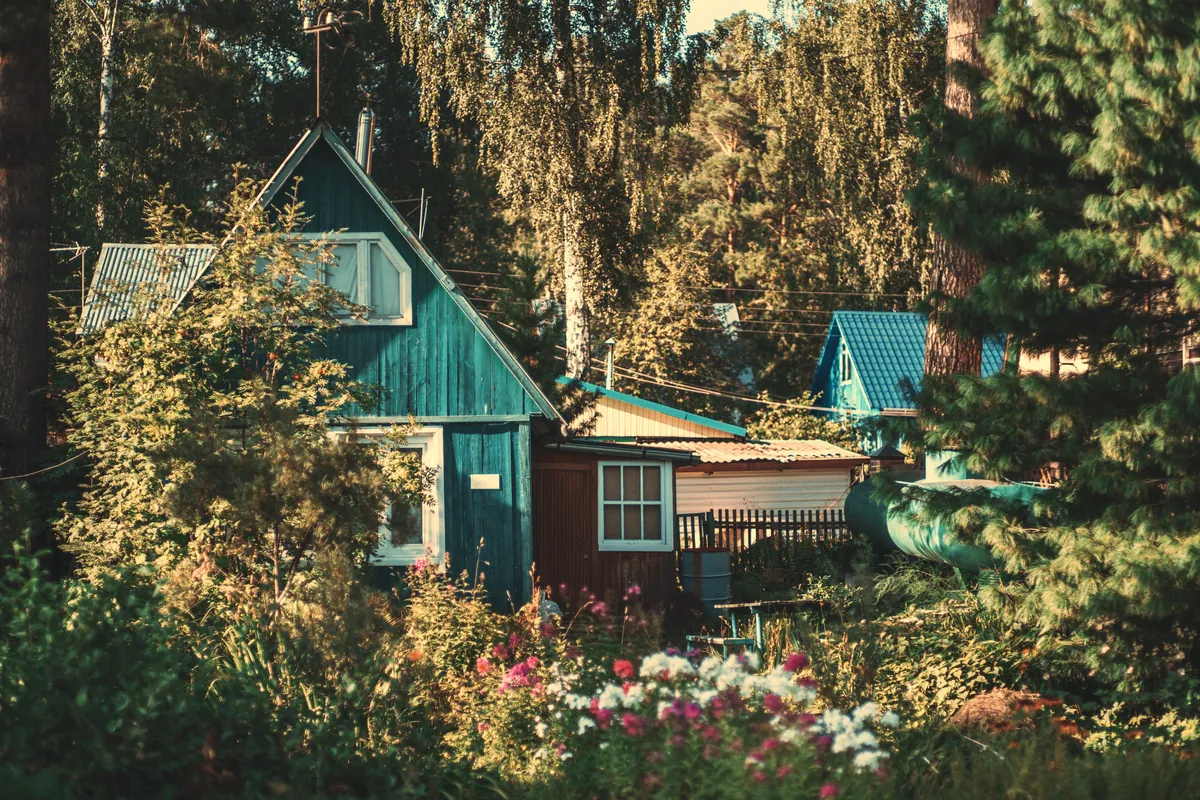
In Sweden, a or summer cottage is often painted the deep red known as falu red, with white window frames and corners. The pigment comes from the old copper mine at Falun in Dalarna, and the colour has become a quiet symbol of the Swedish countryside. Many cottages stand at the edge of a forest or meadow, often within reach of a lake or the sea.
Norwegians speak of the , a cabin in the mountains, the forest or by a fjord, used in summer and for skiing in winter. In Finland the is a summer cottage, usually by a lake and almost always with its own sauna. The country has around half a million of them, and an evening at one typically means sauna, a swim from the jetty and a slow supper as the light lingers.
Near Stockholm, the archipelago reaches out into the Baltic with tens of thousands of islands and skerries. Archipelago cabins are reached by public ferry or private boat, and a stay can feel wonderfully remote although the capital is only a boat ride away.
Rorbuer: sleeping above the water in Lofoten
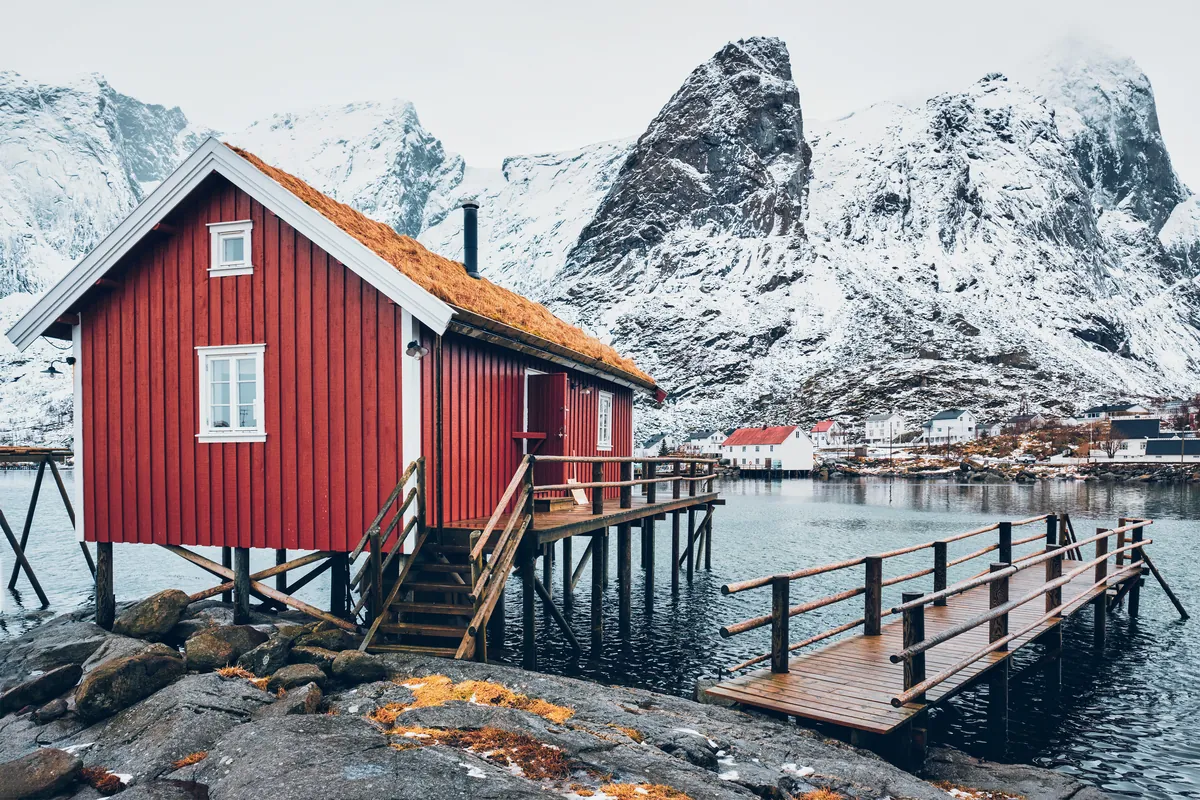
In Lofoten, north of the Arctic Circle, rorbuer (singular ) were built for the fishermen who came each winter for the cod fishery. Standing half on land and half on stilts over the water, they gave quick access to the boats and a level floor on rocky shores. The tradition goes back many centuries, and the Arctic cod known as skrei still arrive to spawn from roughly January to April.
Many rorbuer are now holiday cabins, with a kitchen, bunk rooms or small bedrooms, and a view of fish racks and harbour boats. Interiors range from rustic to carefully modernised, so look at the photos of the bathroom and the kitchen as well as the view.
What to expect inside
Most Nordic cabins are self catering. Expect a kitchen with the basics, a wood stove or electric heating, and simple furniture. In many rentals you bring your own bed linen and towels or rent them locally, and guests are often asked to clean before leaving unless a final cleaning has been arranged.
Simpler cabins may have an outdoor toilet in a small shed nearby, and water may come from a well or a tap outside. Wood stoves take a little practice, so read the house instructions, which usually explain the stove, the sauna and how rubbish is sorted.
The sauna deserves an evening of its own. At a Finnish mökki it is usually heated with wood, so allow time for it to warm up. Between rounds of heat, many people cool off with a dip in the lake or a rest on the jetty, then return for another round before supper.
Shopping needs planning in rural areas. Village shops can keep short hours, and in Norway most larger grocery stores close on Sundays, with exceptions for small shops and petrol stations. Do the main shop in a larger town on the way in, and bring enough for the first evening and breakfast.
- Bed linen and towels, unless the booking includes them
- Indoor shoes or warm socks for wooden floors
- A torch for the path to the outdoor toilet or the sauna
- Insect repellent for summer evenings by the water
- Groceries for the first night, bought before you leave town
The right of public access
One of the pleasures of a Nordic cabin is the freedom to step out of the door into the landscape. Sweden’s and Norway’s allemannsretten, together with the similar everyman’s rights in Finland, allow you to walk, cycle and ski across uncultivated land, swim in lakes and the sea, and pick wild berries and mushrooms. In Norway the right is set out in the Outdoor Recreation Act of 1957.
With the freedom comes responsibility. Keep a respectful distance from houses and gardens, and do not cross cultivated fields. In Norway you may pitch a tent on uncultivated land for up to two nights, at least 150 metres from the nearest inhabited house or cabin, before you need the landowner’s permission, except in the mountains and very remote areas. Fires are restricted in dry periods, protected plants may not be picked, and national parks and nature reserves can set their own rules.
When to go
Summer is cabin season. From late May to mid July the midnight sun stays above the horizon in Lofoten, and further south, around Stockholm and in southern Finland, June nights hardly grow dark. Midsummer is the high point of the cottage year in both Sweden and Finland, when many locals head for the countryside themselves.
The dark season has its own appeal further north. In Lofoten the northern lights can appear from late August to mid April on clear nights, and a warm cabin with a wood stove becomes the best seat in the house. Spring and early autumn bring quieter roads and, in autumn, the gold of birch leaves and the last of the berries.
Three nights is enough to settle into the rhythm of sauna, swim and supper.
Words in this article
- Stuga
- Swedish word for a cottage or cabin, often a red-painted summer house in the countryside.
- Hytte
- Norwegian cabin in the mountains, the forest or by the sea, used in summer and winter.
- Mökki
- Finnish summer cottage, usually by a lake and almost always with its own sauna.
- Rorbu
- A Lofoten fisherman’s cabin built partly on stilts above the water; the plural is rorbuer.
- Allemansrätten
- The Swedish right of public access to walk, swim and pick berries on uncultivated land.
Questions readers ask
Do you need to bring bed linen to a Nordic cabin?
Often, yes, unless the booking says otherwise. Many cabin rentals in Sweden, Norway and Finland expect guests to bring their own bed linen and towels or to rent them locally. Check the description before you travel, along with whether final cleaning is included or whether you are expected to leave the cabin clean yourself.
Can you camp anywhere under the right of public access?
Not anywhere. The right covers uncultivated land and comes with responsibilities. Stay well away from homes and gardens, avoid cultivated fields and follow local rules on fires. In Norway you may camp for up to two nights at least 150 metres from the nearest inhabited house or cabin, and national parks and nature reserves can set their own restrictions.
When is the best time to see the northern lights from a Lofoten cabin?
The season runs from roughly late August to mid April, when the nights are dark enough. Clear skies matter as much as solar activity, so a stay of several nights gives you more chances. During the midnight sun, from about late May to mid July, the sky stays far too light for the aurora.