When to go: seasons, shoulder months and crowds
Spring and autumn in the south, long June days in the north, festivals that fill a city: how to choose the right month for a short trip, and the right days within it.
The same city can feel like three different places depending on when you go. Málaga in April is not Málaga in August, and Stockholm in June has little in common with Stockholm in December, apart from the water. Choosing the month is one of the most important decisions in planning a short trip, and one of the least discussed. Here is how to think about it.
The case for shoulder seasons
For most of southern Europe, the of spring and autumn is the sweet spot. From April to early June and from late September into November, the days are warm enough to sit outside, the light is clear and the sea, in autumn, still holds some of the summer’s warmth. Museums are calmer, and you can often find a table without a reservation.
Spring brings blossom, green hillsides and lengthening evenings. Autumn brings the harvest, new wine and food markets at their richest. Both seasons suit walking, which is how a city is best discovered. If you can choose only one season for Lisbon, Mallorca or Andalusia, choose one of these.
Heat in the south, light in the north
July and August belong to the beaches of southern Spain. Inland cities such as Seville and Córdoba often see afternoon temperatures close to 40 °C, and daily life moves into the early morning and the late evening. Málaga stays milder thanks to the sea, yet a city break built around walking is simply more comfortable in May or October. If summer is your only option, plan sights for the morning and keep the afternoon for a long lunch and a rest in the shade.
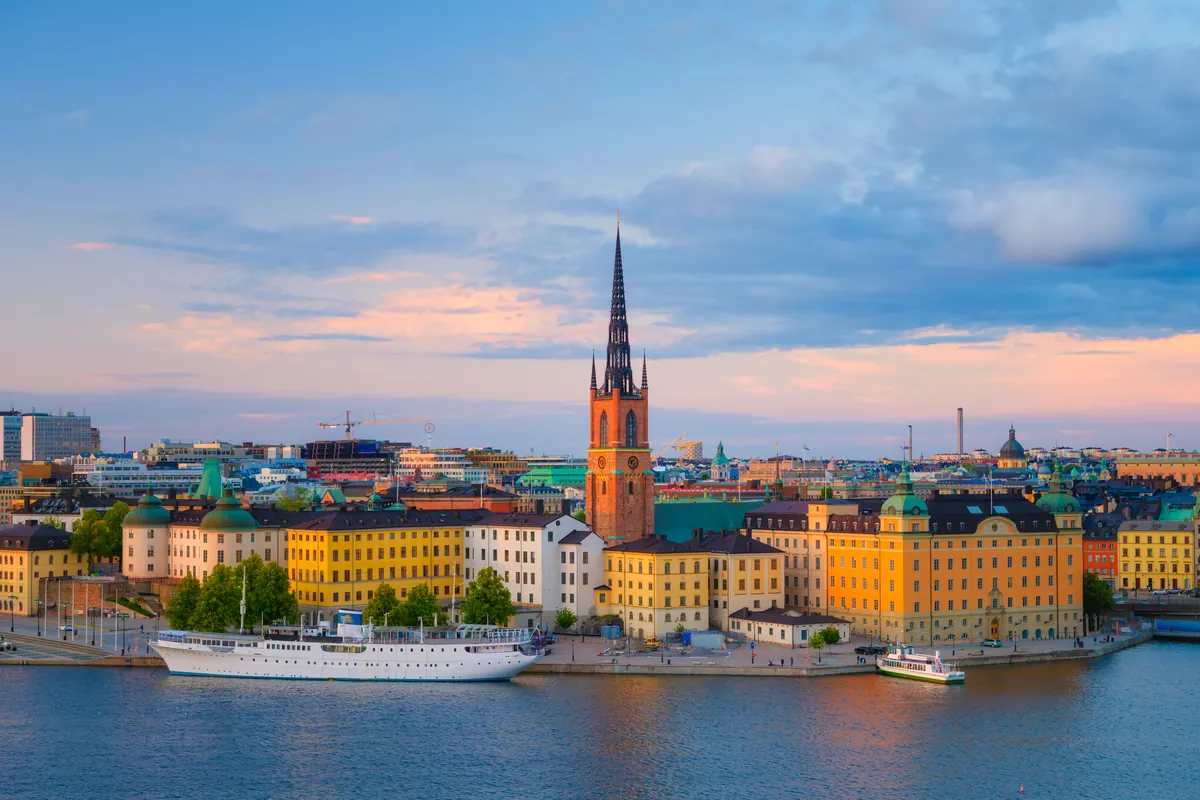
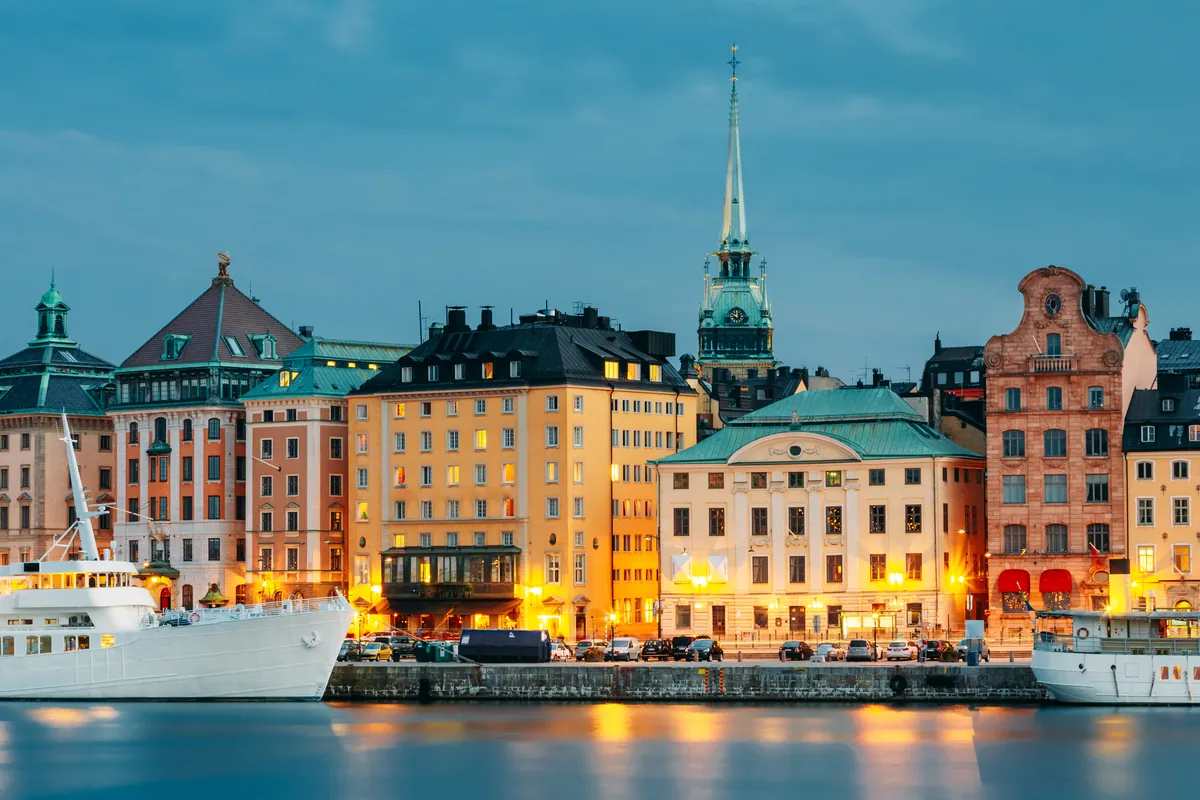
In the north, the deciding factor is daylight rather than heat. Around midsummer, Stockholm enjoys around 18 hours of daylight, and the evenings stay bright long after dinner. In December, the city has only about six hours of daylight, from mid morning to mid afternoon. That is no reason to stay away: winter brings candles in the windows, Christmas markets and a cosy, unhurried rhythm. It simply means planning outdoor walks around the middle of the day.
Vienna and Hamburg sit between these two extremes. Both are lovely in late spring and early autumn, and both take on a special atmosphere in Advent, when the Christmas markets open.
The same city can feel like three different places depending on when you go.
Festivals and fairs that fill a city
Big events change everything: availability, prices and the feel of the streets. Holy Week in Málaga is one of the most moving spectacles in Spain, with huge processional floats, the , carried through the streets on the shoulders of large teams of bearers. It is extraordinary to witness, and the city fills up early. The dates move with Easter each year. In August, the Málaga Fair brings another wave of visitors.
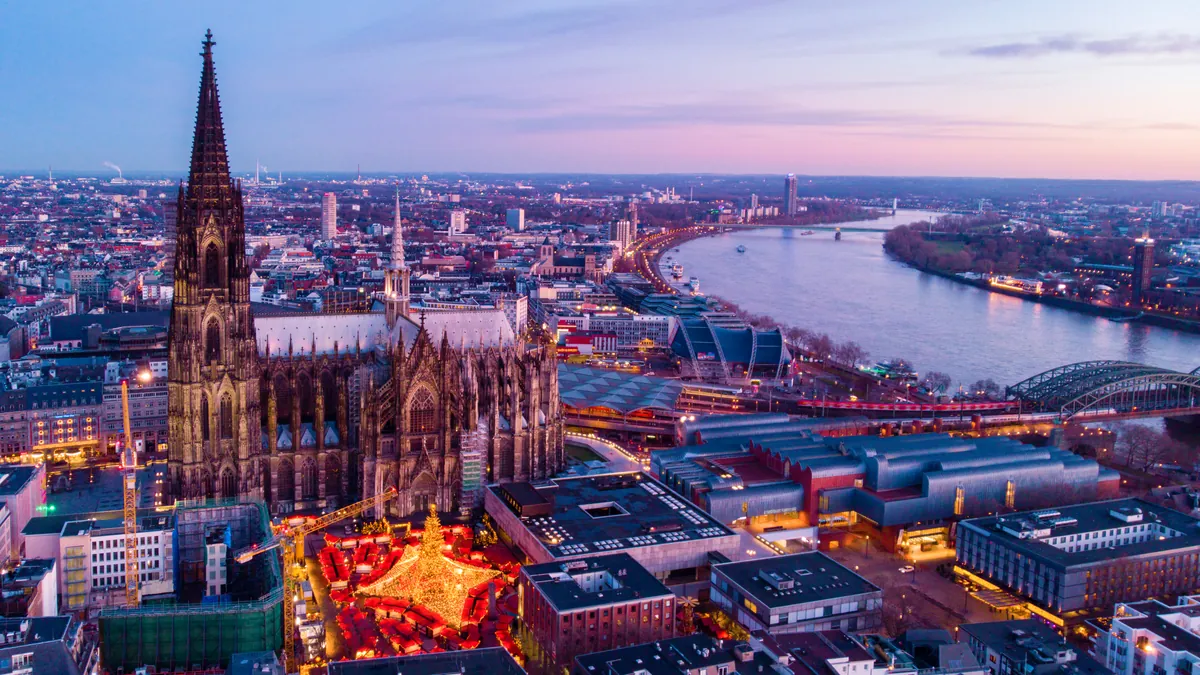
In Vienna, the Christmas markets open in mid November, with the market on Rathausplatz running until 26 December and the one at Schönbrunn Palace usually continuing into early January. Hamburg’s Christmas markets fill the weeks of Advent, and in early May the city celebrates its harbour birthday, the , with ships on the Elbe and crowds along the waterfront. In Lisbon, the night of 12 June, the eve of Santo António, is one of the liveliest of the year, with grilled sardines and music in the old quarters.
Less visible but just as important are trade fairs. Large fairs and congresses can fill a city’s hotels for days, even in months that are otherwise quiet. Before you book, look at the city’s event calendar. If a major fair is on, travelling a week earlier or later can make a remarkable difference.
Holidays, closures and the rhythm of the week
Public holidays can surprise you. In Sweden, falls on the Friday between 19 and 25 June, and many shops close while Stockholmers head for the countryside. In Spain, 15 August is a national holiday, and in Lisbon, 13 June is a municipal holiday in honour of Santo António. On days like these, museums may keep different hours and smaller shops often close, so check before you plan a day around them.
The days of the week matter too. Many museums close one day a week, often Monday. Weekends bring residents out to markets and parks, which is lovely to see, while popular sights tend to be calmer from Tuesday to Thursday. A trip from Sunday to Wednesday often feels more spacious than one from Friday to Monday.
How prices follow demand
Accommodation and transport usually follow a simple pattern. When demand rises, during school holidays, major festivals, long weekends and trade fairs, prices rise with it. When demand falls, in the shoulder months and on weekdays, they ease. Travelling a week before or after a peak, or shifting your stay by a day or two, is often the simplest way to pay less and enjoy more space.
Booking early pays off for fixed events such as Holy Week or the Christmas markets, when the best located rooms go first. For an ordinary weekend in the shoulder season, there is usually no need to rush, and a little flexibility leaves room to follow the weather forecast.
Words in this article
- Shoulder season
- The months between high and low season, usually spring and autumn, with mild weather and fewer visitors.
- Tronos
- The large processional floats of Málaga’s Holy Week, carried on the shoulders of teams of bearers.
- Hafengeburtstag
- Hamburg’s harbour birthday, a large festival on the Elbe held each year in early May.
- Midsummer Eve
- Sweden’s great summer celebration, held on the Friday between 19 and 25 June.
Questions readers ask
What is the best month for a city break in southern Europe?
For most southern European cities, May and the weeks from late September to October are hard to beat. The weather is warm enough for long walks and outdoor meals, the light is beautiful, and the summer crowds have either not yet arrived or already left. Check for major festivals in your chosen city, since a big event can fill hotels even in the shoulder season.
Is Stockholm worth visiting in winter?
Yes, with a different rhythm. December brings only about six hours of daylight, so plan walks and outdoor sights around the middle of the day and save museums, coffee breaks and long dinners for the dark afternoons. In return, you get Christmas markets, candlelit windows and a calm, cosy city. Around midsummer, by contrast, Stockholm enjoys around 18 hours of daylight.