
Train or plane for a short trip in Europe
Door to door time, night trains, luggage and booking windows: a calm comparison to help you choose the right way to travel for a short break in Europe.
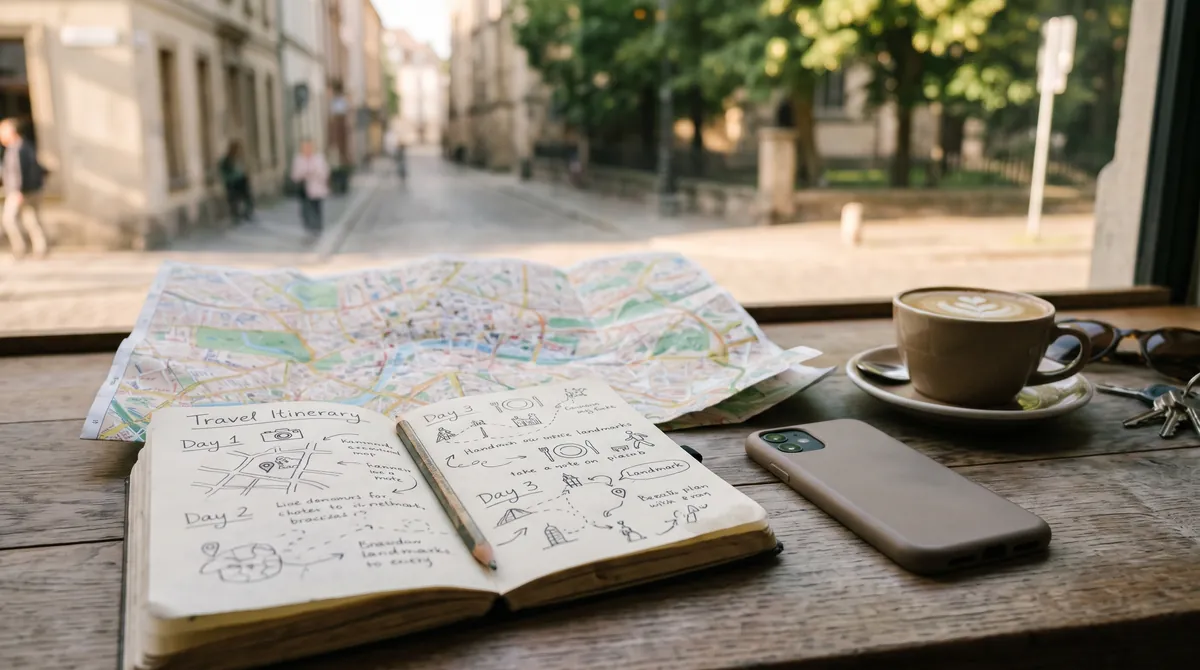
On a short trip, the journey takes a real share of the time you have. Choosing between train and plane is not a question of loyalty to one or the other, but of which option gives you the most of your three days. Sometimes the answer is obvious. Often it is closer than the timetables suggest, and the train comes out ahead more often than you might expect.
Think door to door, not departure to arrival
Flight times look short on paper, and an hour and a half between two European cities sounds hard to beat. Yet the flight is only one part of the journey. You need to reach the airport, which is usually outside town, arrive early enough for bag drop and security, wait at the gate, and then travel from the arrival airport into the centre.
Add these steps together and a short flight can easily fill half a day from your front door to your hotel. Trains, by contrast, usually leave from central stations and arrive in the heart of the city. On most routes you can board a few minutes before departure, and the moment you step onto the platform, your trip has begun. Comparing rather than flight time is the single most useful habit when you decide.
Where fast trains are strong
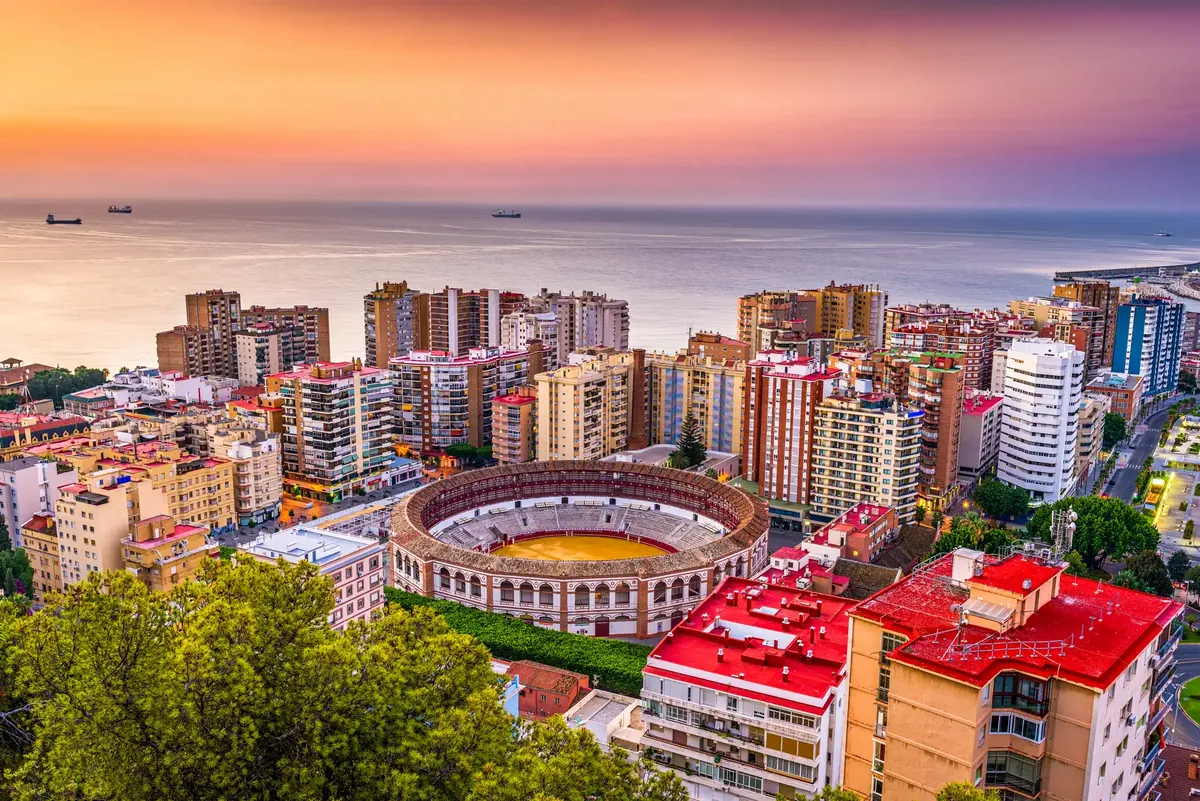
For journeys of up to about four or five hours, a fast train is often as quick as flying door to door, and usually more relaxing. Europe’s rail network links many classic city break destinations directly: Madrid with Málaga, Hamburg with Berlin, Vienna with Salzburg. On routes like these, the train is frequently the natural choice, and arriving in the city centre feels like part of the experience.
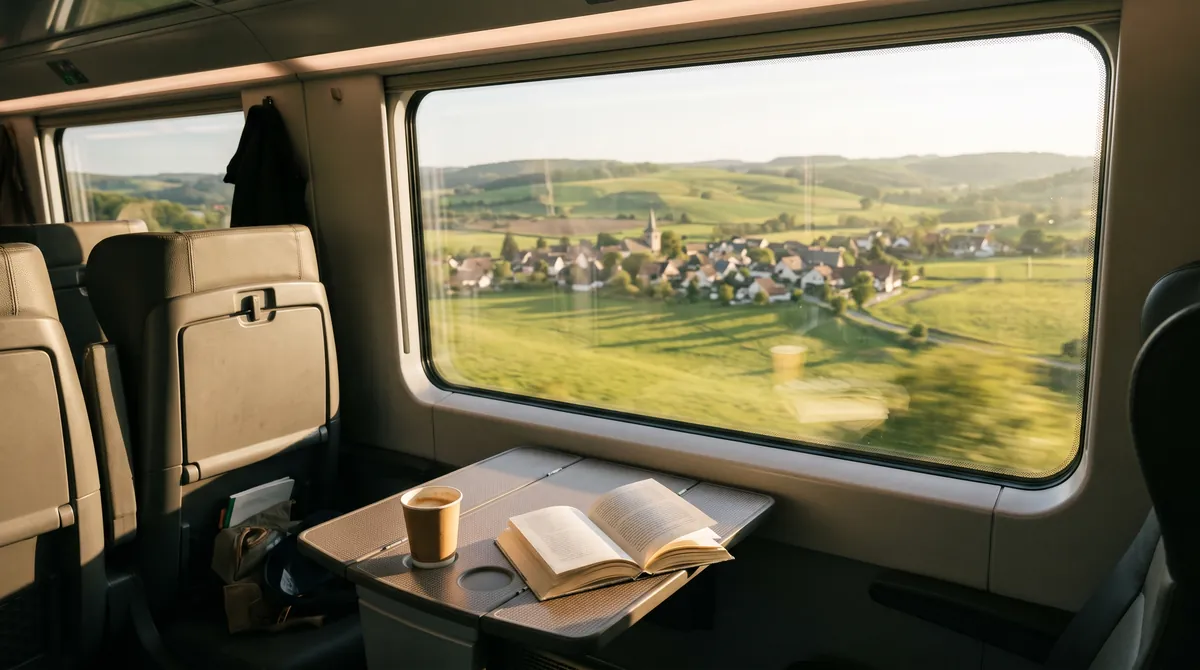
The time on board is also usable time. There is space to stretch, a table for a laptop or a book, and on many trains Wi-Fi and power sockets. You can work, read, eat a proper meal or simply watch the landscape change outside the window. Arriving rested is part of the holiday.
- The journey takes up to about four or five hours
- Both cities have central stations
- You want to work, read or rest on the way
- You travel with bulky luggage or plan to bring things home
- A night train lets you gain a day
Night trains: gaining a day
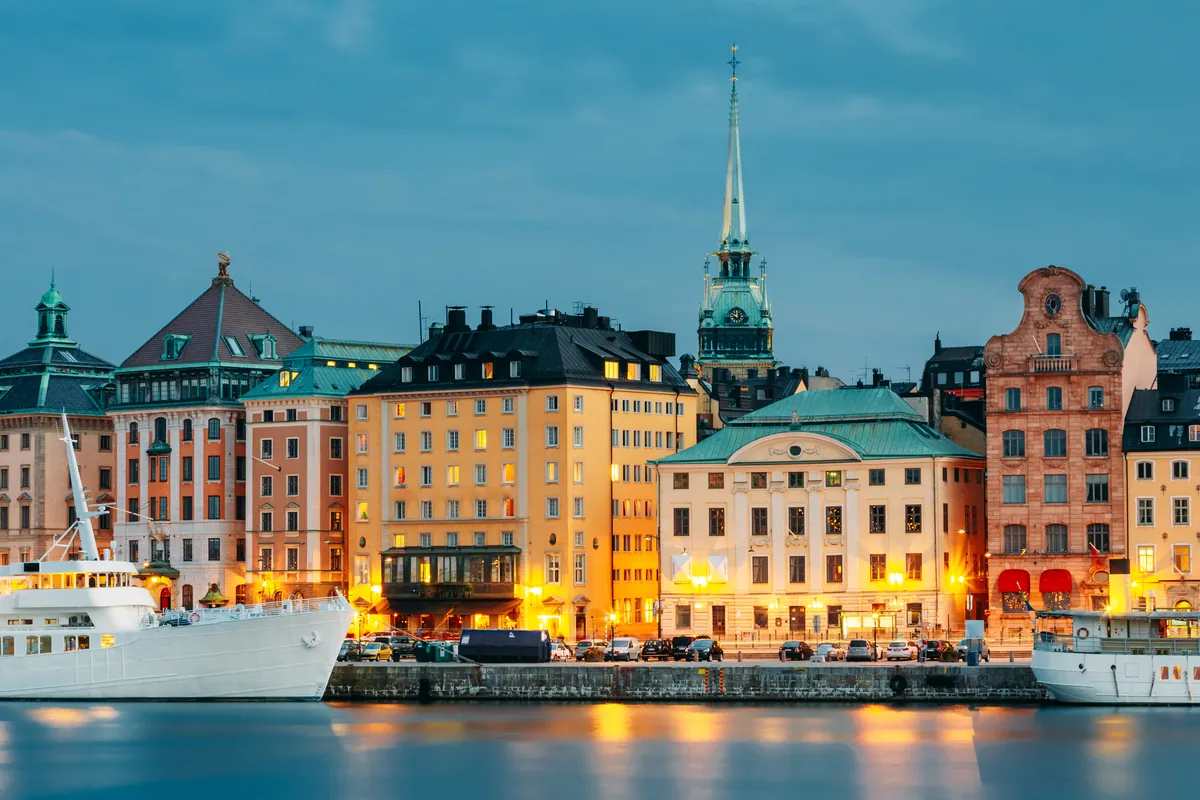
Night trains have returned to Europe in recent years, and for a short break they offer something no other option can: you travel while you sleep. Leave after dinner, wake up in a new city, and you have a full extra day without spending an extra night in a hotel. Austria’s federal railway runs one of the largest networks of these trains under the Nightjet name, and Vienna is a natural hub.
Current examples include night trains between Hamburg and Vienna and between Zurich and Hamburg, and a new generation of carriages with more private compartments has been introduced on several routes. Networks and timetables change from year to year, so check the current routes before you plan. Choose a or a for a proper night’s rest, and book early, as the most comfortable compartments go first.
Leave after dinner, wake up in a new city, and you have a full extra day.
Luggage, comfort and booking
On most trains, you bring what you can carry and place it on a rack above the seats or in a luggage area, with no weighing at a counter. A picnic, a water bottle and a bottle of local wine bought on the trip travel with you easily. That freedom matters on a short break, when the best souvenirs are often edible.
Booking works a little differently for each. Many railways open sales a few months ahead, and the on a popular route is available only in limited numbers, so the best ones tend to go first. Booking as soon as sales open usually gives you the widest choice. Rail passes can suit longer journeys with several stops, while for a single return trip a direct booking is usually simpler. Airlines also release seats well in advance, and both reward travellers who plan early.
When the plane clearly wins
Some trips are made for flying. Islands are the clearest case. Mallorca can be reached by ferry from the Spanish mainland, but for a three day break, a flight to Palma leaves you far more time on the island itself. The same goes for the far north: Lofoten has no railway at all, the train goes only as far as Bodø on the mainland, and from there short regional flights or the ferry take you out to the islands.
Long distances are the other case. Between Lisbon and Stockholm, or Hamburg and Málaga, the train becomes a journey in its own right, rewarding if you have time, but hard to fit into a long weekend. Here, a flight makes the short break possible, and you can still smooth the transfer by choosing airports with good rail links into town.
There is also a middle way. On some trips the best answer is to combine the two: fly out to gain time, then take the train home through landscapes you would otherwise miss, or travel one way by night train and return by day. A short break does not need a single answer, only the one that suits each leg of the journey.
Words in this article
- Door to door time
- The total travel time from your home to your accommodation, including all transfers and waiting.
- Couchette
- A night train compartment with simple bunks, usually shared by four or six travellers.
- Sleeper
- A night train compartment with proper beds and bedding, for one to three travellers.
- Saver fare
- A discounted ticket available in limited numbers, usually tied to a specific train or flight.
Questions readers ask
Is the train really as fast as flying for short trips?
Often it is, once you count door to door. A flight needs a transfer to the airport, time for security and boarding, and another transfer into town, while trains run from centre to centre. For train journeys of up to about four or five hours, the total travel time is frequently similar, and time on board can be used for reading, working or resting.
How far ahead should you book a train for a short trip?
Book as soon as you know your dates. Many railways open sales a few months ahead, and the cheapest saver fares on popular routes are limited, so they go first. Night train compartments, especially private sleepers, are also worth reserving early. For flexible tickets there is less urgency, but early booking usually gives you the widest choice of departure times.