The Stockholm archipelago: island hopping for a weekend
Granite islands, ferry piers and long summer evenings: how to reach the skärgården by public boat, which islands to choose and how to spend two days there.
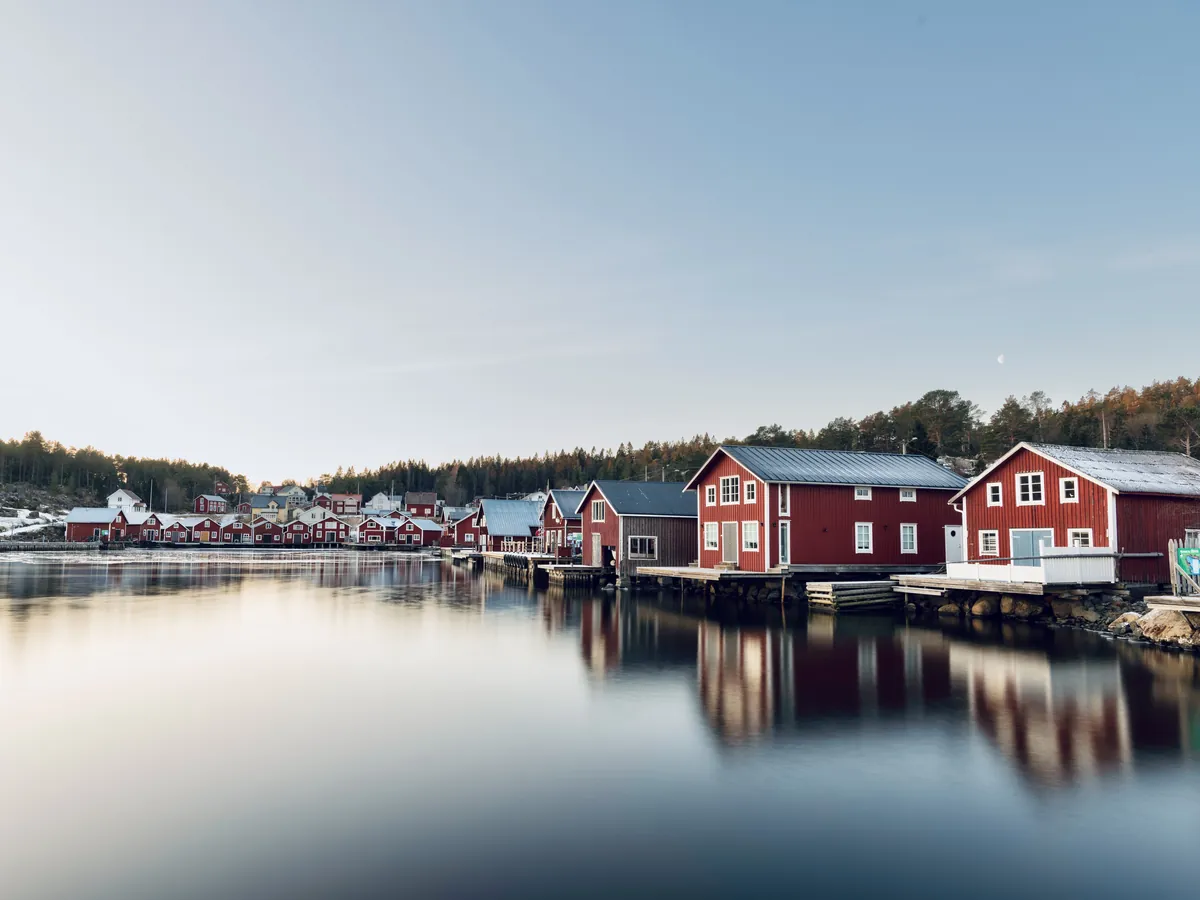
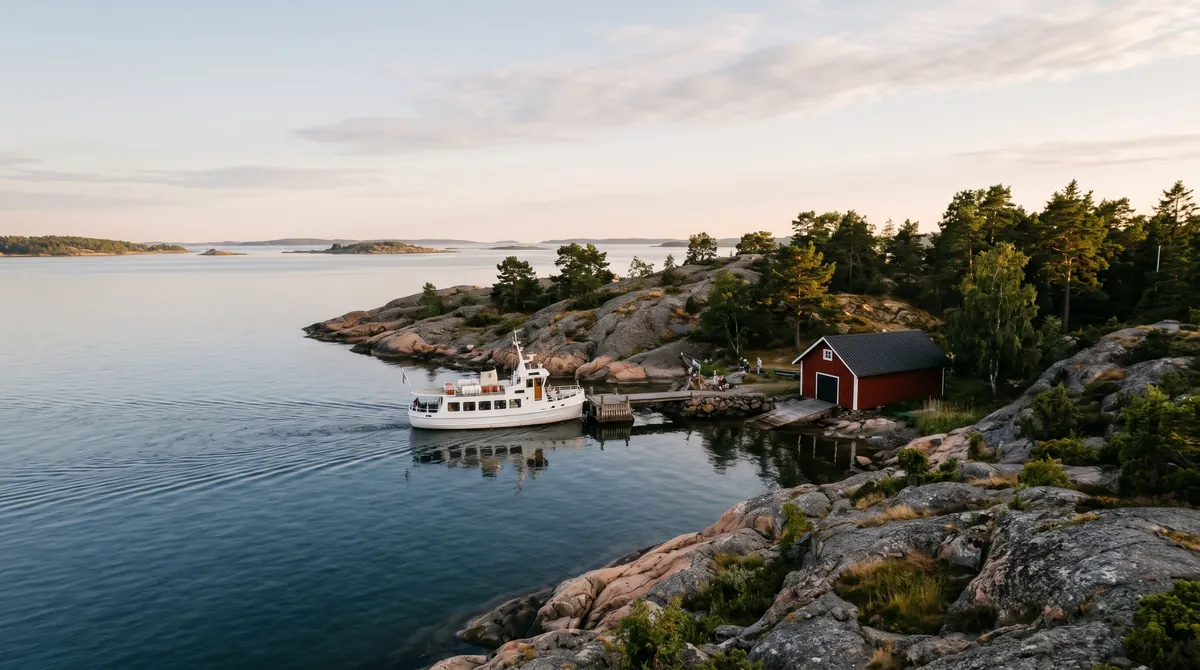
Leave Stockholm by boat and the city soon gives way to granite islands, wooden boathouses and pine trees leaning over the water. The , the archipelago that stretches east of the capital into the Baltic, is often counted at around 30,000 islands, islets and rocks. A weekend is enough to taste it: one island close to town, one further out, and a night where the only sound is the water against the rocks.
Inner, middle and outer archipelago
The archipelago changes as you travel east. The inner islands are larger and wooded, dotted with summer houses, jetties and small harbour towns within easy reach of the city. Further out, in the middle archipelago, villages thin out and forest paths lead to quiet coves. The outer islands face the open Baltic, where the land flattens into smooth rock and each low is little more than a granite back above the waves.
Most visitors come for the same simple pleasures: swimming from sun-warmed rocks, walking through pine forest, eating by a harbour and watching the boats come and go. The light is part of it too, especially in June and July, when the evenings stretch long past dinner.

Getting there by public boat
The main public boats are run by , whose ferries leave from Strömkajen in the centre of Stockholm for islands across the archipelago. Other boats leave from Nybroplan and Slussen. Many outer islands are easier to reach by bus or train to a mainland harbour, followed by a shorter crossing: for Sandhamn, a bus from Slussen to Stavsnäs; for Utö, the commuter train to Västerhaninge and a bus to Årsta brygga.
Timetables are fullest from late June to mid-August. In May and September there are fewer departures, and in winter the outer routes are much reduced, while boats to inner islands such as Vaxholm keep running. Check the current timetable before planning, and in summer consider a multi-day island-hopping pass, which makes spontaneous changes of plan easy.
Inner islands: Vaxholm, Grinda and Fjäderholmarna
Vaxholm, around an hour or a little more by boat from Strömkajen depending on the stops, is often called the capital of the archipelago: a small town of wooden houses around a busy harbour. Its fortress stands on an islet in the channel. Gustav Vasa first fortified the site in the 16th century to guard the sea approach to Stockholm, and most of the stone fortress you see today dates from the 19th century. A short cable ferry crosses to it.
Grinda, roughly two hours away in the middle archipelago, is a favourite for a first overnight stay. It is car-free, with forest paths, meadows and smooth rocks for swimming, and places to sleep range from simple cabins and hostel rooms to camping.
If you only have an afternoon, Fjäderholmarna lies about 25 minutes from Slussen or Nybroplan in summer. This cluster of small islands, the closest to the city, has craft workshops, harbour walks and rocks that catch the evening sun.
Outer islands: Sandhamn, Utö and Möja
Sandhamn, on the island of Sandön, looks out towards the open Baltic and has long been a gathering point for sailors, with a lively summer harbour and regattas. The island is car-free; walk through the pines to the sandy shores that gave the island its name. The bus to Stavsnäs and the crossing from there make it a manageable day trip, though it is lovelier with a night.
Utö, in the southern archipelago, is known for its old iron mines, among the earliest in Sweden, now flooded pits surrounded by former miners’ cottages. Hire a bicycle and follow its quiet roads to beaches and cliffs. Möja, in the middle archipelago, is a larger inhabited island with small villages and a slower, everyday rhythm, ideal if you want to see island life beyond the summer harbours.
A weekend is enough to taste it: one island close to town, one further out, and a night where the only sound is the water against the rocks.
A two day plan
- Saturday morning: take an early boat from Strömkajen to Vaxholm, walk around the harbour and cross to the fortress.
- Saturday afternoon: continue by boat to Grinda, settle into a cabin or simple hotel and swim from the rocks before dinner.
- Saturday evening: find a flat rock facing west and watch the long light fade over the water.
- Sunday morning: walk the forest paths of Grinda, then take a late morning boat back towards the city.
- Sunday afternoon: break the journey at Vaxholm if the timetable allows, and arrive back in Stockholm in time for dinner.
For an outer-island weekend, swap Grinda for Sandhamn, travelling by bus to Stavsnäs and crossing by boat, or choose Utö via Västerhaninge and Årsta brygga. Book a bed well ahead for July, when the archipelago is at its busiest.
Swimming, allemansrätten and bringing food
Sweden’s right of public access, , lets everyone walk, swim, picnic and pick berries in nature, including on many islands, as long as you do not disturb or destroy. Keep a respectful distance from private houses and jetties, take your rubbish with you and check the local rules in nature reserves, where camping may be limited.
Swimming from the rocks is the archipelago’s great pleasure. The Baltic here is brackish, a mix of sea and fresh water, and it warms slowly through the summer, so July and August are the gentlest months for a long swim.
Shops on the smaller islands are few and often seasonal, so bring a picnic, water and a bag for rubbish. On the larger islands, a harbour bakery or café makes a cinnamon bun stop part of the ritual: a coffee, a and a view of the boats.
Words in this article
- Skärgården
- The Swedish word for archipelago, used above all for the islands east of Stockholm.
- Allemansrätten
- Sweden’s right of public access, allowing everyone to walk, swim and picnic in nature with respect for others.
- Skerry
- A small, low rocky island, typical of the outer archipelago facing the open Baltic.
- Waxholmsbolaget
- The company that runs the main public boat services across the Stockholm archipelago.
- Kanelbulle
- The Swedish cinnamon bun, a classic stop on any archipelago day.
Questions readers ask
When is the best time to visit the Stockholm archipelago?
The season runs from May to September, with the most boats and the warmest water from late June to mid-August. June brings the longest evenings, while late August and early September are calmer and still pleasant for walking. In winter some inner routes keep running, but the outer islands are served far less often, so check timetables carefully.
Can you visit the archipelago on a day trip?
Yes. Fjäderholmarna is about 25 minutes from Slussen or Nybroplan in summer, and Vaxholm makes an easy half day by boat. Grinda and Sandhamn also work as day trips if you start early, though both reward a night. Always check the last return boat before you set off, especially outside the peak summer weeks.
Can you camp on the islands?
Allemansrätten generally allows a night or two of camping on land that is not cultivated and not close to homes, as long as you leave no trace. Rules can be stricter in nature reserves and on some islands, so check local signs. For an easier first stay, choose an island with cabins, hostel rooms or a campsite, such as Grinda.