
Quiet valleys of Tyrol: mountain huts, early nights and long sleep
Early starts, long walks, dinner at six and silence by ten: how to find the calm rhythm of a mountain day in Tyrol’s quieter side valleys and Alpine huts.
Mountain days keep their own clock. You set off while the grass is still wet with dew, walk for most of the day, sit down to dinner early, and by ten the valley is dark and silent. In Tyrol’s quieter side valleys, far from the big ski resorts, that rhythm comes naturally, and many travellers find the nights there among the most peaceful of their year.
The rhythm of a mountain day
The day in the Alps begins early. In summer the clearest hours are usually the morning ones, so walkers like to be on the trail soon after breakfast and back in the valley by late afternoon, with time for a shower and a rest before dinner.
After a long walk, dinner comes early, and an hour on a bench outside watching the light leave the summits is all the evening entertainment you need. Many guesthouses and huts fall quiet by ten. With no traffic and few lights, the darkness is deep and the silence complete, and most visitors settle happily into this pattern after a day or two.
Side valleys away from the big resorts
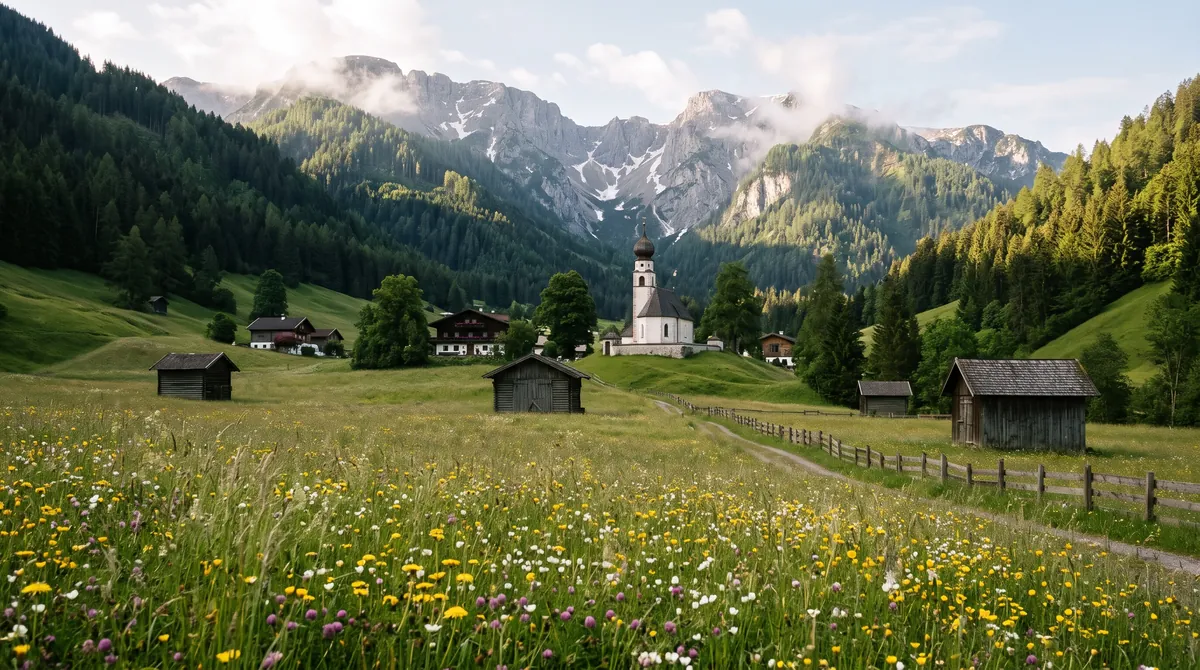
In East Tyrol, the Villgratental branches north from the Puster valley near Sillian. Its two villages, Außervillgraten and Innervillgraten, decided against ski lifts decades ago, and the valley has been part of the initiative since the Austrian Alpine Club launched it in 2008; today several Alpine clubs run it together. Old wooden farmhouses, steep hay meadows and quiet side valleys set the tone.
In the far north-west of Tyrol, the Tannheimer Tal is a high valley at around 1,100 metres, framed by limestone peaks. There is no railway, the meadows are wide and green, and two lakes set the pace for gentle days: the Haldensee beside the valley road and the Vilsalpsee in a nature reserve above Tannheim, where the access road is closed to private cars during the day and a bus takes over.
Closer to Innsbruck, the Wildschönau is a high valley in the Kitzbühel Alps with four villages: Niederau, Oberau, Auffach and Thierbach. The valley prides itself on gentle tourism, and in summer its farm tracks and Alpine pastures make easy, unhurried walking. A regional bus climbs up from the station at Wörgl, about 10 kilometres away.
Farm stays, guesthouses and pine-scented rooms
Staying on a working farm is one of the nicest ways to feel the rhythm of a valley. Many Tyrolean farms let rooms or holiday flats, and the day begins with cowbells, fresh milk and the smell of cut hay. Small family run guesthouses in the villages offer the same calm, often with wooden balconies full of flowers in summer.
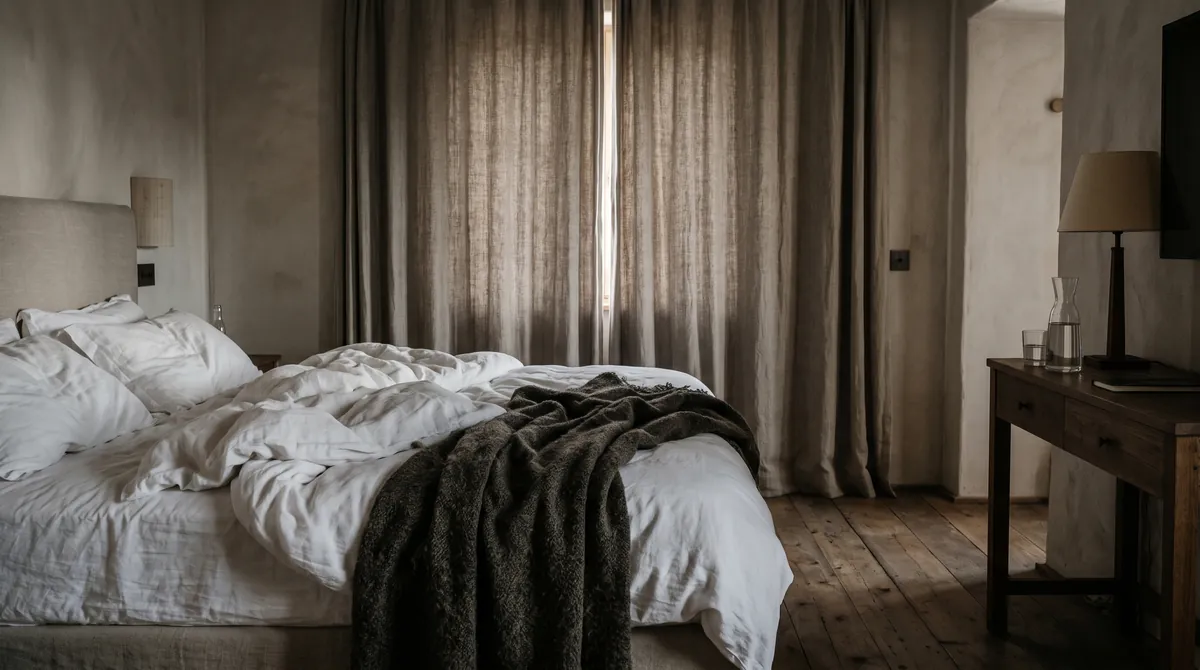
Look out for rooms panelled in , the wood of the Swiss stone pine, which grows high in the Alps close to the tree line. It has been used for parlours, beds and chests in Tyrol for generations, and its warm, resinous scent can linger for decades. Many guests simply love the smell and the honey colour of the wood, and a room lined with it feels instantly cosy.
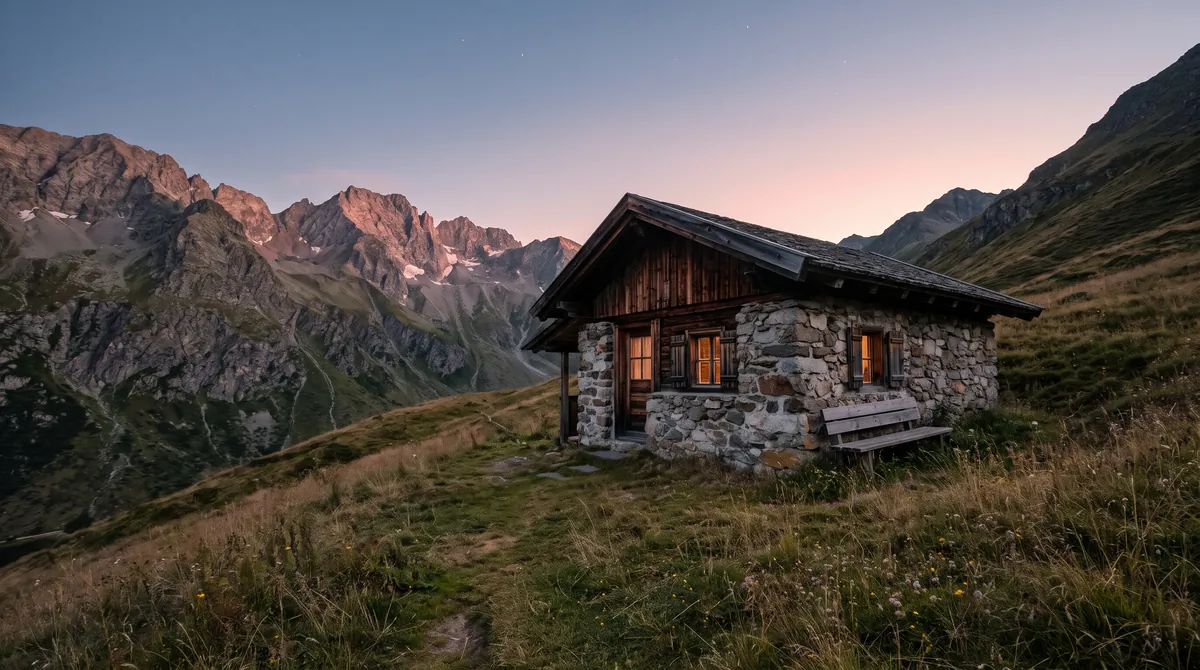
By ten the valley is dark and silent.
A night in an Alpine club hut
For many walkers, the highlight of a Tyrolean summer is a night in a mountain hut. Alpine club huts are simple, sociable places. You share a dining room, eat a hearty dinner after the climb and sleep in a small room or in a shared dormitory known as a .
The house rules are part of the charm. A quiet period, the , usually begins at 10 or 11 pm, and a sheet sleeping bag is compulsory in Alpine club huts for reasons of hygiene. Book ahead through the clubs’ online reservation system, especially for weekends, and cancel early if your plans change, so that someone else can have your bed.
The reward comes early the next day. Most guests are up for the first light, when the sun moves slowly down the peaks while the valley below is still in shadow. Breakfast tastes better at that height, and the walk down feels light.
- A sheet sleeping bag, compulsory in Alpine club huts
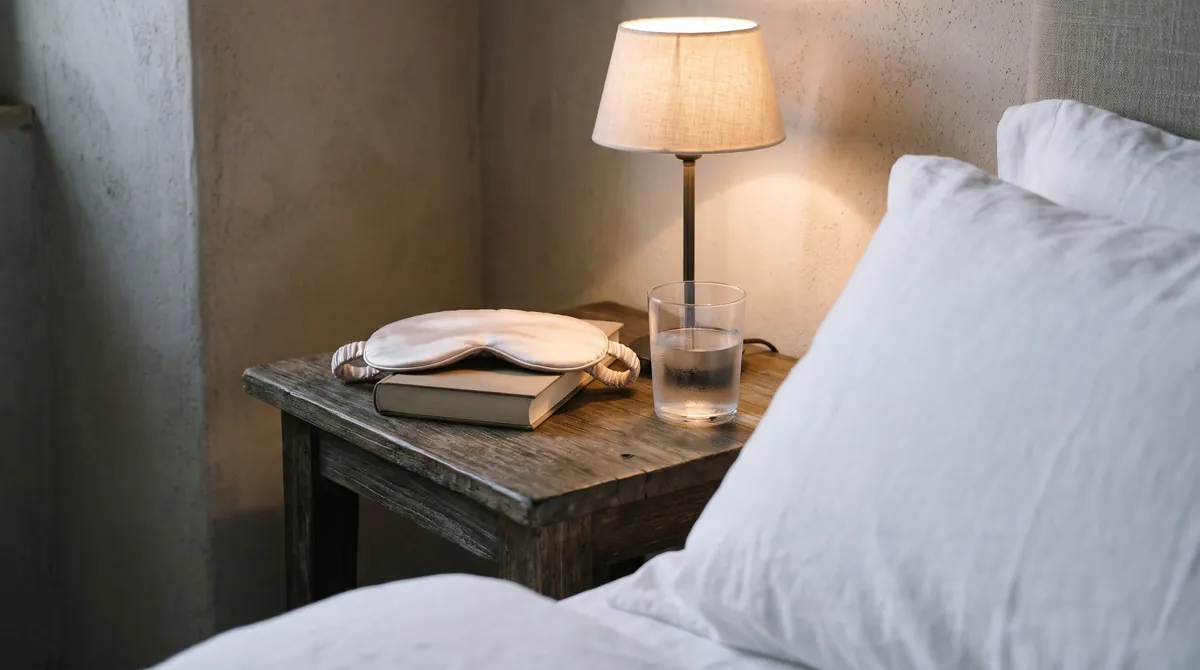
- Earplugs and an eye mask for shared rooms
- A small headtorch for finding your way at night
- Light indoor shoes, if the hut does not provide them
- A warm layer for cool evenings and early starts
Innsbruck, Alpine pastures and practical planning
Innsbruck makes a fine first or last night. The Hungerburgbahn funicular leaves from Congress station, a short walk from the old town, with stations designed by Zaha Hadid, and cable cars continue to the Seegrube and the Hafelekar at about 2,300 metres. Less than an hour after leaving the city, you can stand on a ridge of the Nordkette and look down on the rooftops.
In summer, cattle graze on the high pastures, the Almen, roughly from June to October, depending on the weather. Some summer dairies on the pastures serve simple food such as bread, cheese and buttermilk, a lovely goal for a midday walk. Between early September and mid-October, the herds return to the valleys, often decorated with flowers, in the festive .
Trains run to Innsbruck from Munich, Vienna and Zurich, and regional trains and buses carry on into the valleys: over the Brenner and through the Puster valley to Sillian for the Villgratental, from Wörgl for the Wildschönau and from Reutte into the Tannheimer Tal. Book huts and small guesthouses early for July and August. Staffed huts open for the summer and close in autumn, and the exact dates differ from hut to hut, so check each one before you plan your route.
Words in this article
- Bergsteigerdörfer
- Mountaineering villages, a label from the Alpine clubs for small Alpine communities committed to gentle tourism.
- Zirbe
- The wood of the Swiss stone pine, traditional in Tyrolean parlours and bedrooms and loved for its scent.
- Matratzenlager
- A shared dormitory in a mountain hut, with mattresses laid side by side.
- Hüttenruhe
- The quiet hours in a mountain hut, usually from 10 or 11 pm.
- Almabtrieb
- The festive return of cattle from the high pastures to the valleys in autumn.
Questions readers ask
Do you need mountain experience to stay in an Alpine club hut?
Not necessarily. Many huts are reached on well marked paths that suit fit walkers. For a first night, choose a hut with a straightforward approach, book ahead through the Alpine clubs’ reservation system and bring a sheet sleeping bag, which is compulsory. Quiet hours usually begin at 10 or 11 pm, and most guests rise early to enjoy the morning light.
When is the best time for Tyrol’s quiet valleys?
Summer is the season for walking and for staffed huts, and the Alpine pastures are in use roughly from June to October, depending on the weather. June and September are often calmer than the school holidays in July and August. Opening dates differ from hut to hut, so check each one before you plan your route.
Can you reach these valleys without a car?
Yes. Innsbruck has direct trains from Munich, Vienna and Zurich. Regional buses run from Wörgl into the Wildschönau and from Reutte into the Tannheimer Tal, and the Villgratental is reached by bus from Sillian, on the railway through the Puster valley. Connections in side valleys are less frequent at weekends and out of season, so check current timetables before you travel.